

Key Takeaways
- AI customer support should be measured by resolved problems, not agent activity. Seats, hours, and message volume are inputs. Resolution is the customer outcome.
- HeroDash starts from a different economic model. Structured, AI-resolvable contacts can start from $0.15, with deployment in 3 days and AI coverage across 100+ languages.
- The model only works with architecture, not magic. Understanding, retrieval, policy rules, workflow actions, QA, and human escalation all need to connect.
- AI should not replace every support interaction. It should absorb repeatable work and leave humans available for judgment, empathy, exceptions, and customer recovery.
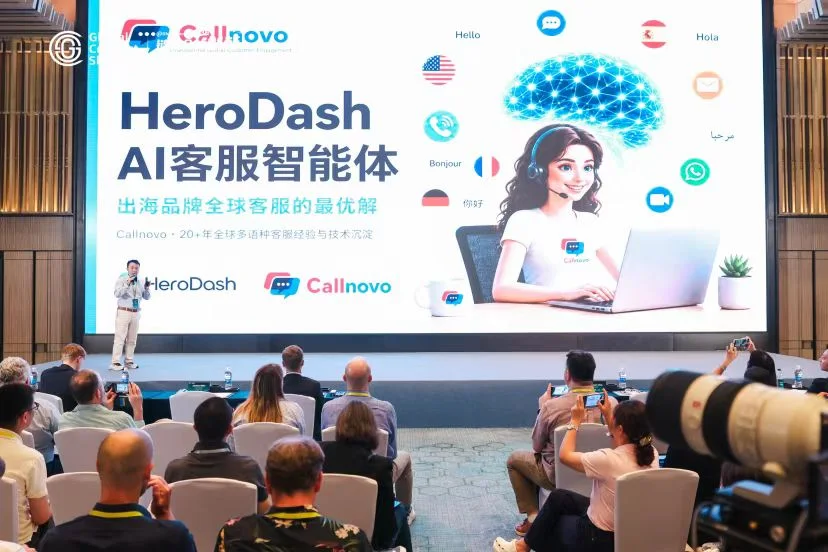
Customer service is going through a structural shift. Not from human to AI, but from input-based support to resolution-based support.
That distinction matters. A company can add more seats, more shifts, and more inbox coverage while still leaving customers with unresolved problems. The support operation looks staffed, but the customer still asks the only question that matters: “Did you fix it?”
HeroDash was built around a simple premise: support should be priced and managed around outcomes. The useful metric is not how many agents are online. It is how many customer problems actually get resolved.
The broader market is moving in the same direction. Gartner predicts that GenAI cost per resolution for customer service could exceed $3 by 2030. Intercom’s Fin documentation lists Fin AI Agent at $0.99 per outcome. That context matters: HeroDash pricing should be read as a structured AI-resolvable entry point, not a blanket price for every ticket, workflow, or integration.
The question is no longer whether AI can answer customers. The real question is whether AI can resolve the right contacts, at the right cost, with the right human backup.
Before comparing AI customer support pricing, compare the unit being priced. A lower headline number only helps when the contact type, resolution boundary, and human handoff rules are clear. For a broader budget view, see Callnovo’s pricing and pay-per-resolution support pages.
| Model | Pricing unit | Best fit | Risk point |
|---|---|---|---|
| Traditional BPO | Seats, hours, or headcount | Complex queues, judgment-heavy support, dedicated coverage | Cost scales with staffing even when contacts are repetitive. |
| Intercom Fin | Publicly listed at $0.99 per outcome | SaaS and digital support teams already working inside Intercom | Pure AI pricing can still rise if resolution boundaries and handoff rules are loose. |
| HeroDash AI + Human | Structured, AI-resolvable contacts from $0.15 | Brands that need AI resolution plus multilingual human backup | Complex human intervention, deep integrations, and regulated workflows need separate scoping. |
Why Traditional Support Pricing Breaks
Traditional BPO customer service is usually priced around inputs: seats, hours, headcount, or coverage windows.
That model is familiar, but it scales bluntly. If your business grows 3x, your support cost tends to grow in the same direction. If you enter a new language market, you recruit for that language. If peak season hits, you hire or schedule extra coverage, then absorb the quiet-period overhead when demand falls.
This worked when support was mostly a back-office function. It works less well when support is global, always-on, multilingual, and tied directly to reviews, returns, renewals, and marketplace performance.
Input pricing can also hide a dangerous incentive problem. Per-seat pricing rewards availability. Per-message pricing rewards activity. Neither one guarantees that the customer’s issue is actually solved.
The $0.15 Question: What Counts as Resolved?
For structured, AI-resolvable contacts, HeroDash can start from $0.15 per structured resolution. Not per message. Not per minute. Not per agent hour. The contact has to close according to workflow rules agreed with the brand.
Complex human intervention, deep integrations, regulated workflows, and special industry SOPs are scoped separately. That boundary matters because a damaged-product dispute, a refund exception, or a compliance-sensitive workflow should not be priced or automated as if it were a routine order-status question.
That changes what the system optimizes for.
If the AI answers a tracking question, the useful outcome is not “one reply sent.” The useful outcome is that the customer understands the shipment status, knows the next expected update, and does not need to reopen the same issue. If the AI handles a return request, the useful outcome is not a polite paragraph. It is the correct return path, the right policy boundary, and a clean handoff when the case is outside automation rules.
This is where cheap automation and useful automation separate.
Cheap automation tries to deflect contacts. Useful automation resolves contacts when the answer is structured enough to be trusted, and escalates when the case needs judgment.
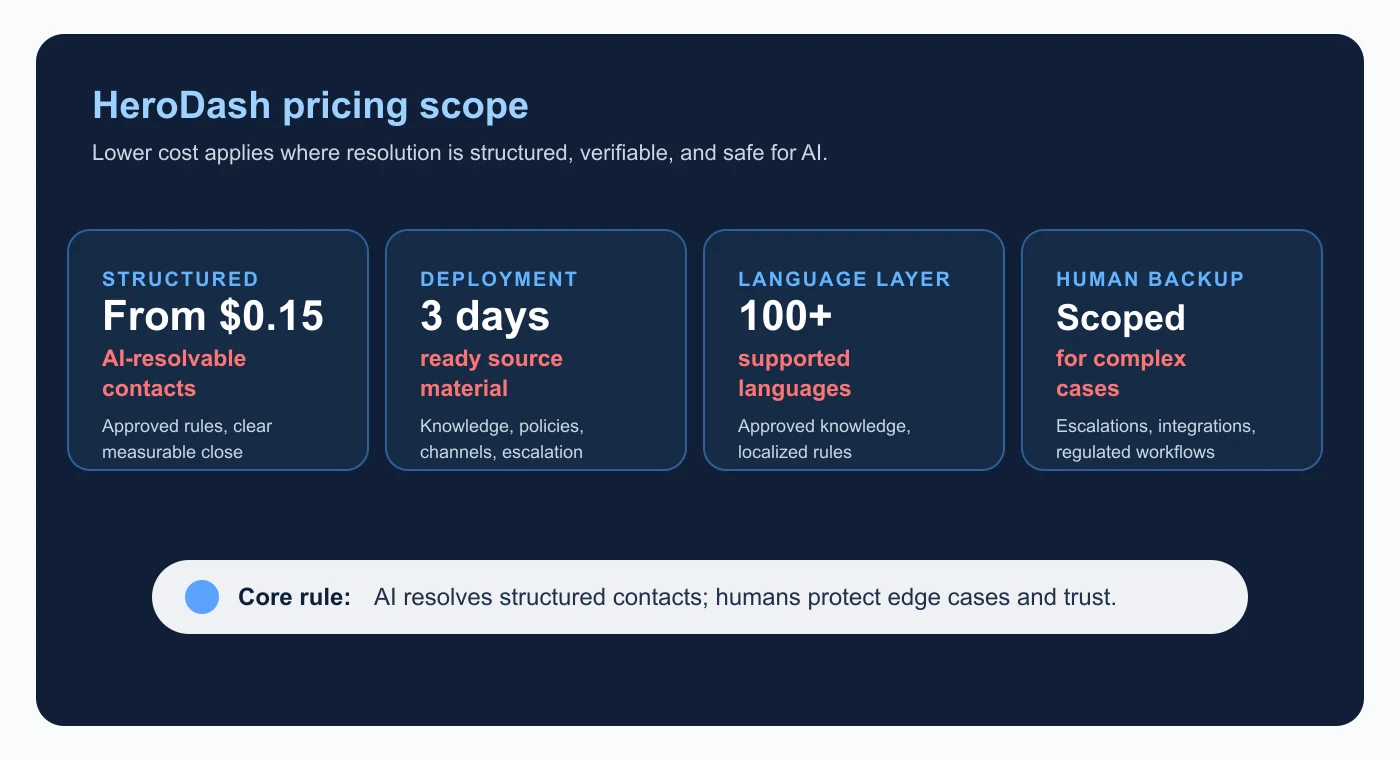
For brands, the implication is significant. Business volume can grow without support costs increasing in a perfectly linear way, because AI handles high-frequency, structured, resolvable contacts at low marginal cost while human escalation is reserved for the interactions that truly require it.
That does not mean every ticket, escalation, or integration costs $0.15. The $0.15 entry point applies to structured contacts that the AI layer can resolve safely under approved rules. That is still enough to redesign support economics around resolution rather than staffing math.
Three Days to Deploy Is an Operating Advantage
A traditional outsourced support launch usually takes weeks. You recruit, interview, train, onboard systems, write SOPs, run quality checks, and then go live.
For multilingual operations or specialized product categories, the timeline can stretch further.
HeroDash compresses the setup window because much of the operational infrastructure is configurable instead of headcount-bound. Knowledge base setup, channel connection, language coverage, intent mapping, escalation rules, and QA monitoring can be live within 3 days when the source material is ready.
That speed matters in three moments:
| Moment | Why speed matters | What HeroDash changes |
|---|---|---|
| New market launch | Customers arrive before the local support team is fully hired. | AI can provide first-line support in the target language while human coverage ramps. |
| Product launch | Repeated questions reveal gaps in the product page, packaging, or onboarding. | Contacts are tagged and summarized early so the team can update answers fast. |
| Demand spike | Ticket volume jumps faster than hiring capacity. | AI absorbs repeatable questions and routes exceptions to humans with context. |
The 14-day free trial and no-success-no-fee model make the evaluation lower risk. A brand can test the operation on real contacts before building an entire support plan around it.
100+ Languages Without 100 Hiring Plans
The conventional multilingual model is additive. Each new market creates a new staffing requirement.
English support may work for the US, UK, Canada, and Australia. But global ecommerce rarely stops there. A brand selling across Europe, Latin America, the Middle East, and Asia needs language coverage that can move faster than recruiting.
HeroDash supports 100+ languages through its AI layer. The same approved knowledge base can support English, Spanish, French, German, Japanese, Korean, Arabic, Portuguese, and many more, with market-specific response rules layered on top.
This does not mean language is “just translation.” Customers notice tone, formality, escalation expectations, and local communication habits. For sensitive cases, human agents still matter. But the first layer of support can become dramatically more scalable when the language layer is not rebuilt one hiring plan at a time.
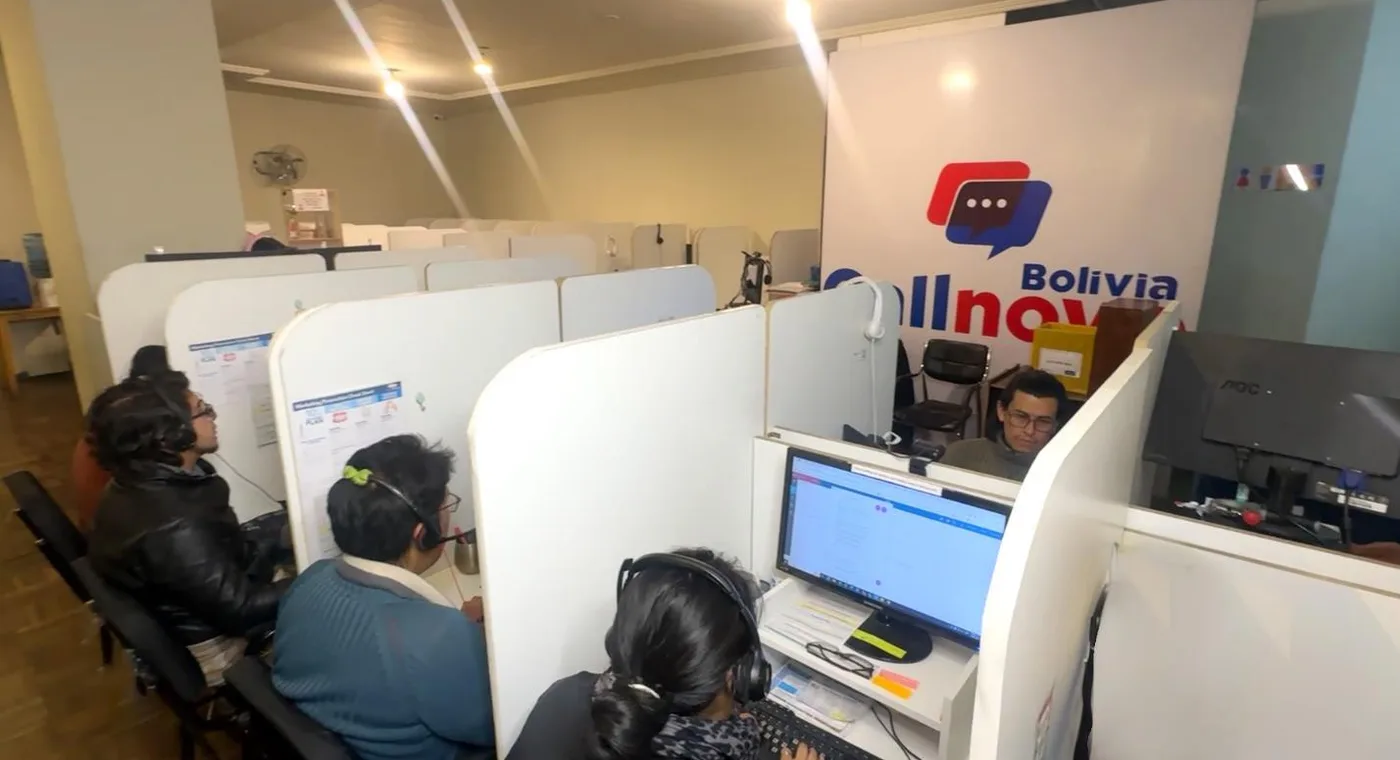
The Three-Layer Architecture Behind the Numbers
The numbers are outputs. The architecture underneath is what makes them repeatable.
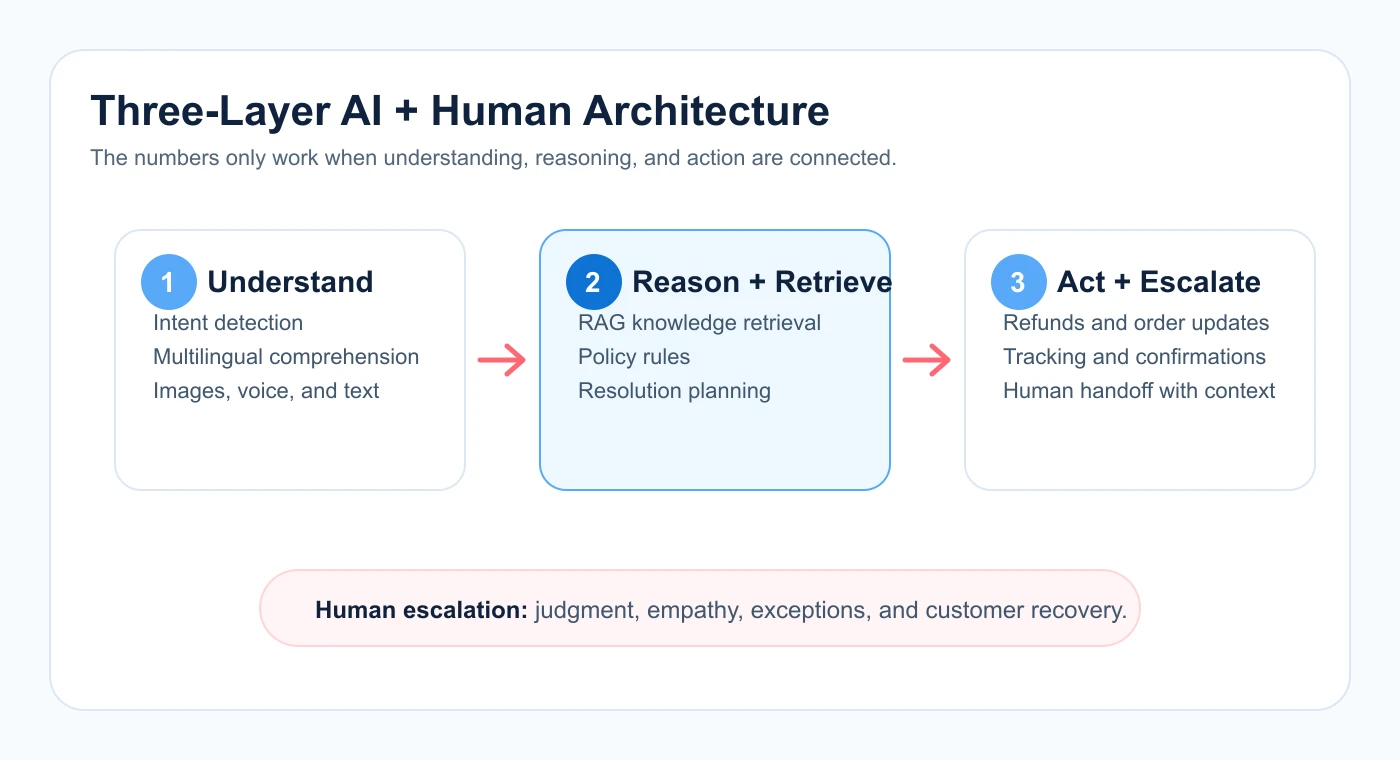
The understanding layer detects intent, language, sentiment, and context across text, voice, and images. A customer who sends a photo of a damaged product should not receive a generic damage template. A customer who switches language mid-conversation should not lose context.
The reasoning and retrieval layer uses RAG knowledge retrieval, policy rules, warranty boundaries, order context, and action planning. This is the layer that separates HeroDash from a simple chatbot. The system is not only matching keywords. It is retrieving the relevant answer, applying business rules, and deciding whether the case is safe for automation.
The action layer connects the answer to workflow. Depending on integration, that can include order updates, shipping status, return initiation, refund routing, delivery confirmation, or human escalation with full conversation context.
This last point is important. A handoff that forces the customer to repeat everything is not a handoff. It is a reset. HeroDash is designed so the human agent receives the context, not just the ticket ID.
Where Brands Lose Trust

At a recent industry roundtable, Callnovo CEO Jackie Xu described three support gaps that appear when brands go global.
First, customers cannot reach anyone after buying. The phone is not answered, the email is delayed, or the follow-up disappears.
Second, customers reach someone, but the experience does not feel local. The language may be technically correct, but the communication style does not match the market.
Third, customers reach the right team and the tone feels local, but the problem still does not get solved.
Those three gaps map directly to HeroDash:
| Trust gap | What the customer feels | HeroDash response |
|---|---|---|
| No one is reachable | ”I bought from this brand, but now I am alone.” | 24/7 omnichannel AI coverage with human escalation. |
| Support does not feel local | ”This answer was translated, not written for me.” | 100+ language AI layer plus native-speaking human backup. |
| The issue is not resolved | ”They replied, but I still have the problem.” | Resolution workflows, policy rules, action layer, QA monitoring. |
What “AI Replaces Human” Gets Wrong
The weakest question in customer service AI is: “Will AI replace agents?”
The better question is: “Which contacts should AI handle, and which contacts should humans handle?”
HeroDash answers that operationally.
AI should handle high-frequency, structured, resolvable contacts: order status, shipping updates, standard returns, product information, account questions, simple warranty clarification, and repeatable policy explanations.
Human agents should handle contacts that require judgment, empathy, flexibility, or authority that AI should not exercise alone: complex disputes, emotionally charged escalations, edge cases outside policy, high-value accounts, safety concerns, and moments where the customer relationship is at genuine risk.
This improves both sides of the operation. Customers get faster answers for routine issues. Human agents spend less time repeating tracking updates and more time on cases where their judgment matters. Managers get cleaner QA data because repeatable work and exception work are no longer buried in the same queue.
What to Measure in a Pilot
An AI support pilot should not be judged by demo quality. It should be judged by operational data.
Before testing HeroDash, define:
| Metric | Why it matters |
|---|---|
| Resolution rate | Shows whether AI is actually closing issues, not just replying. |
| First-contact resolution | Tracks whether customers avoid repeat contacts. |
| Escalation accuracy | Measures whether sensitive cases are routed to humans at the right time. |
| Cost per structured resolution | Connects automation performance to support economics. |
| QA failure rate | Catches wrong answers, tone issues, and policy mistakes. |
| Customer sentiment | Shows whether speed is improving or damaging trust. |
The goal is not to prove that AI can answer everything. It cannot, and it should not. The goal is to prove that AI can resolve the contacts it is trusted to handle, while humans receive the cases where they create the most value.
FAQ
What does per-resolution pricing mean in customer support?
Per-resolution pricing means the provider is paid when a customer issue is actually resolved. In this article, the $0.15 entry point refers to structured, AI-resolvable contacts. Complex human intervention, deep integrations, regulated workflows, and special industry SOPs are scoped separately.
How fast can HeroDash deploy an AI support model?
HeroDash can typically deploy in 3 days when the brand has a usable knowledge base, clear policies, escalation rules, and access to the required channels. More complex integrations may take longer, but the first support layer does not need to wait for a full hiring cycle.
Does HeroDash replace human support agents?
No. HeroDash uses AI for structured, repeatable contacts and keeps human agents for judgment, empathy, exceptions, customer recovery, and complex escalations.
What makes HeroDash different from a simple chatbot?
A simple chatbot replies. HeroDash is designed to resolve. It combines multilingual understanding, RAG knowledge retrieval, business rules, workflow actions, QA visibility, and human handoff with context.
For brands evaluating AI support, the next question is practical: which contact types are structured enough to automate, and which ones still need a person?
Explore HeroDash, compare the pay-per-resolution support model, or see how AI voice workflows can support order confirmation in COD fashion operations.
Sources: Gartner on GenAI cost per resolution in customer service; Intercom Fin AI Agent outcomes; McKinsey on AI-enabled customer service.