Callnovo

garage doors

Garage Door Answering Service for Emergency Calls and Scheduling

A garage-door call is often urgent: a vehicle is trapped, a spring has failed, or a technician needs the right job details before dispatch. Callnovo helps garage-door companies capture the situation, set the next step, and route safety-sensitive calls to a human without turning a missed call into a lost job.

Garage-door answering is a triage and dispatch-intake problem, not a repair diagnosis. The team can capture the customer, address, door state, urgency, access constraints and requested service, then route the job according to your rules. Review published pricing, managed support, or map the dispatch flow.

A suburban house with a closed double garage door

how it plays out

A car trapped behind a broken door.

Phone English

“My car is trapped inside and the garage door will not open.”

A trapped-vehicle call needs urgency capture and a human dispatch decision.

  1. Confirm address, callback and whether anyone is at risk
  2. Record door position, visible damage and vehicle access impact
  3. Use the approved emergency or after-hours dispatch route
  4. Give only the confirmed next step and record the handoff
Emergency job routed dispatch owner visible
Web Chat Spanish

“The door is noisy and the spring looks broken.”

A suspected spring failure should trigger a safe human handoff, not a repair tutorial.

  1. Capture the customer description and service address
  2. Avoid asking the caller to manipulate the mechanism
  3. Route to a technician or approved dispatch queue
  4. Record the requested time window and callback expectation
Technician callback queued unsafe advice avoided
Phone French

“Can someone come tomorrow to replace a damaged panel?”

Routine jobs still need complete job details before scheduling.

  1. Identify property, door type and damage as described
  2. Capture photos or documents only through the approved channel
  3. Share approved scheduling information without promising inventory
  4. Confirm the next owner and expected callback
Service request qualified job details complete

the team behind it

Who tells them not to touch the spring.

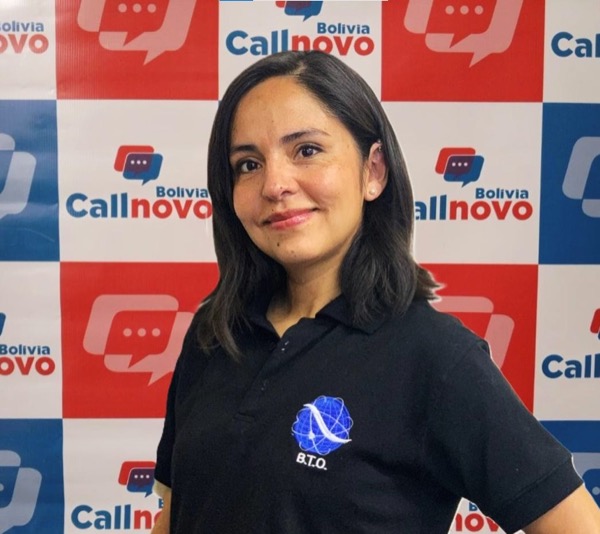
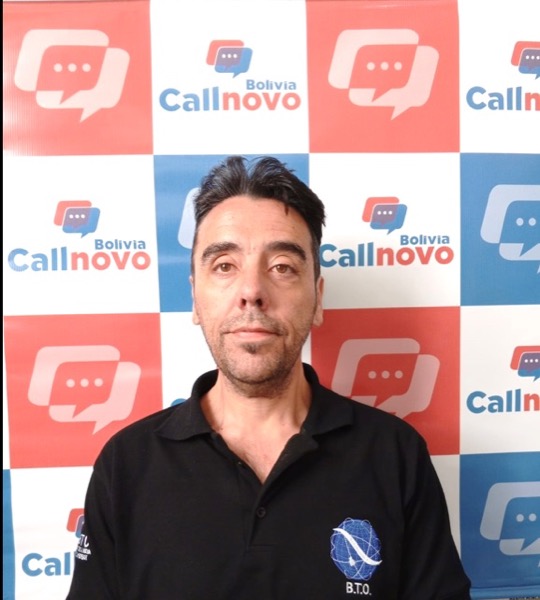
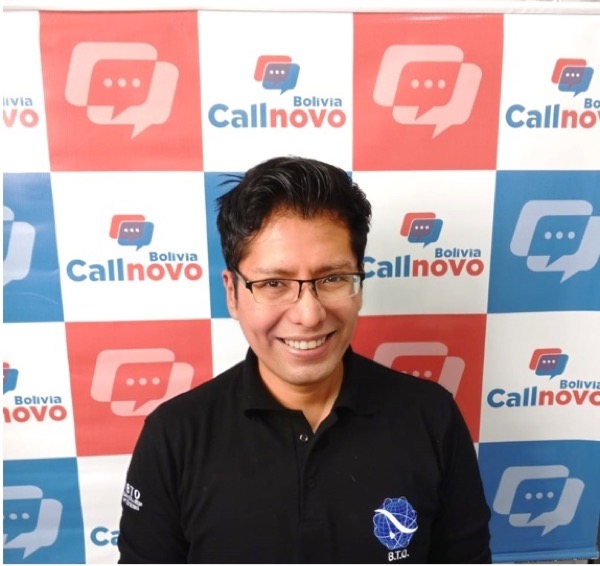
Callnovo agentCallnovo agentCallnovo agentCallnovo agentCallnovo agent real members of the global team

Human Handoff for Garage-Door Jobs

  • Emergency and after-hours call capture with a client-approved dispatch matrix
  • Safe handling of spring, cable, trapped-vehicle and access-related calls
  • Technician-ready summaries that preserve address, symptoms, urgency and promise

65+ Languages

  • Human agents providing support in 65+ languages
  • Real-time AI translation for rare language pairs
  • Cultural context training for every market we serve

Follow-the-Sun Coverage

  • Operation centres in Canada, Bolivia, Nicaragua, the Philippines and China
  • Smooth handoff between time zones with shared context
  • Holiday and weekend coverage without overtime costs

the part nobody prices in

The first useful answer is a safe next step.

A caller may need help outside business hours, but the person answering should not diagnose a broken spring or improvise a repair promise. The workflow should identify what happened, whether the property is safe, and who owns the next action.

Good intake reduces a second call: the technician receives the location, access notes, door symptoms, urgency and customer expectation in one handoff.

what it costs

Published rates, so you can do the arithmetic first.

Most vendors in this category quote by form. These are our published packages — not a quote, since language mix, hours and volume all move the number. The per-minute figures are simply the monthly price divided by the included minutes.

OptionPublished pricePer minuteWhat it's for
AI voice US$0.15 per minute After-hours call capture and dispatch intake
Web chat US$0.15 per session Emergency and routine service scheduling
Live shared team from US$650 / month includes 1,500 min → ≈ US$0.43/min Multilingual lead response for local service areas
Dedicated agent from US$5.80 per hour, per agent A documented human route for safety-sensitive calls

Anything involving a person is a starting price. Two things move it: which languages you need, and how senior an agent the work actually requires — a bilingual agent handling refund authority is not the same hire as one taking bookings. AI voice and web chat are flat, because there is no hiring in them. And every model above is open to every business on this page: which one fits is a question about the shape of your volume, not about your industry.

Minimum engagement is half a seat — not a five-seat block. We also bill per resolved issue, from US$1, where you pay nothing if it is not resolved; that model fits businesses where a customer problem actually gets solved on the call, not businesses where the call is intake.

who takes which call

Route by the cost of getting it wrong.

Most vendors sell you either an AI receptionist or a live answering service and leave the allocation to you. Since we run both, here is the split we would actually recommend — including the calls we think should never touch automation.

The callRoute toCost of getting it wrong
Hours, service area and approved service facts AI Low when the content is current.
Spanish-speaking caller with a routine request AI or a Spanish-speaking agent Low: the same intake fields apply in either language.
Reschedule or cancel an existing appointment AI, inside your policy Low to medium: fees and same-day exceptions go to the office.
Routine estimate or appointment request Live agent Medium: incomplete job details create rework.
Complaint or warranty question about a finished job Office or service manager Medium to high: the caller needs someone who can decide.
Trapped vehicle, unsafe door or after-hours emergency Approved dispatch route High: the next action must be accountable.
Spring, cable or structural issue Qualified technician High: do not substitute scripted repair advice.

The split is not fixed. One way to start is AI on the after-hours line only: read a few weeks of call records, then decide whether daytime overflow should go to AI, to a live agent, or stay with the office. You can move a call type from one column to another without changing the phone number.

do the arithmetic yourself

Count the calls your office did not answer last month.

Your phone system already has the number. Pull last month's call log and count the inbound calls that rang out, hit voicemail or arrived after closing — call it M. Then take the share of answered calls that turn into a booked job, and your average ticket. M × booking rate × ticket is what the unanswered line cost you, in your own figures.

Now the other side. AI voice is US$0.15 a minute, so a four-minute intake call costs US$0.43. A live shared team starts at US$650 a month for 1,500 minutes; at four minutes a call that is about 125 calls. Time a few of your own calls before you trust the four minutes — a trapped-car call with access notes runs longer than a request for a tune-up.

We will not quote you an industry missed-call rate. The only rate that matters is the one in your own call log, and you can read it before you talk to us.

setup

Five days to put the right person on it.

Five days is our normal window to staff a live account — that is five days to find and place an agent who fits your business, not five days of software setup. AI voice can go live sooner because there is no hiring step.

your existing software

It lands in the system you already run.

We integrate with Jobber, ServiceTitan and Skimmer, so a booking taken at 9pm on a Sunday is on the schedule before your first truck moves Monday morning, with the intake notes attached to the job. If you run something else, tell us what it is and we will tell you straight whether we connect to it today or whether it needs building.

your existing software

It lands in the software you already run.

  • Jobber
  • ServiceTitan

Running something else? Tell us what it is and we will say straight whether we connect to it today or whether it needs building.

what comes off the call

What the garage-door team should capture

Capture enough to route the job accurately without giving unsafe repair instructions.

  • Caller name, callback number, service address and access instructions
  • Door type, current position, vehicle trapped or property access affected
  • Visible damage, unusual noise, spring or cable concern as described by the caller
  • Urgency, requested service, preferred window and any existing job number
  • Dispatch destination, time received, promise made and handoff status

Do not instruct callers to handle springs, cables or other hazardous components. Use the company-approved safety and emergency route.

where AI should not be

The calls we will not put a bot on.

Trapped vehicle or safety concern

Record the situation and use the approved urgent dispatch route. Do not diagnose or give hazardous repair instructions.

Spring, cable or structural failure

Do not coach the caller through handling a dangerous component. Route to a qualified technician.

Price or availability exception

Share only approved information and route inventory, discount and schedule exceptions to the responsible team.

a model we're not selling you

Why we would not bill a garage-door company per resolved issue.

We run a per-resolution model: from US$1 per resolved issue, and nothing if the issue is not resolved. It works where the customer's problem ends on the call. A garage-door call does not end on the call. It ends when a technician has been to the house.

What we do on the phone is intake and dispatch: the address, the door state, whether a car is trapped, the promise that was made and who owns it. Calling that a "resolution" would have you paying for a definition. Buy this by the minute or by the seat, where the unit is something you can check against your call log.

Every model in the table above is still open to you. This is the one we would steer you away from.

when we're the wrong choice

Three cases where you should hire someone else.

  • You want firm replacement pricing quoted on the phone. We apply your published rates for common repairs and give ranges for anything that needs measuring. A full door replacement is a site visit, and we will say so rather than guess.
  • You want someone local who knows the subdivisions. Our teams are in Canada, Bolivia, Nicaragua, the Philippines and China. They will know your rate card and radius cold; they will not know that the houses on the west side all have the same builder-grade opener.
  • You only do new construction and builder contracts. If your work comes from builders rather than homeowners calling in a panic, most of this page is irrelevant. Take the AI tier for the occasional inbound and put the money elsewhere.

questions

What buyers ask before they sign.

How much does it cost?

AI voice is US$0.15 per minute and web chat is US$0.15 per session. Live agents start at US$650 per month including 1,500 minutes — about US$0.43 per minute — or from US$5.80 per hour for a dedicated agent working only your account. The minimum engagement is half a seat, not a five-seat block.

How fast can you start answering our phones?

Five days is our normal window to staff a live account — that is five days to find and place an agent who fits your business, not five days of software setup. AI voice can go live sooner because there is no hiring step.

Do you answer in Spanish?

Yes, on the same number, with agents in our Bolivia and Nicaragua operation centres — native Spanish, not machine translation. English and Spanish share one queue, and we cover 60+ more languages if you need them.

Can I mix AI and live agents on one number?

That is the normal setup. You decide which call types go to AI and which reach a person, and you can change the split as your volume changes. Nothing about that decision is locked in at signup.

Can a garage-door answering service handle emergency calls?

Yes. The team can capture the address, situation, urgency and callback details, then route the call through the emergency or after-hours dispatch process your company approves.

Can agents diagnose a broken spring or cable?

No. Agents can record the caller’s description and route the job to a qualified technician. They should not provide hazardous repair instructions or promise a diagnosis.

Can the AI answer garage-door calls in Spanish?

Yes. AI voice works in 65+ languages, Spanish included, on the same number as English. If you would rather have a person on Spanish calls, live agents in our Bolivia and Nicaragua operation centres take them, and both write the same intake fields.

Can AI cancel or reschedule a garage-door appointment?

It can take the request and apply the rules you give it: how much notice you need, which slots are open, what happens to a deposit. Fee waivers and same-day exceptions go to your office. We integrate with Jobber and ServiceTitan, so the change lands on the job rather than in an inbox.

Can AI handle after-hours garage-door calls?

Yes. AI voice answers, captures the address, the door state and whether a vehicle is trapped, and then follows your after-hours matrix: page the on-call technician, book the first morning slot, or hand the call to a live agent.

Can the AI transfer a call to our on-call technician?

Yes. You set the rules for which calls transfer and to whom. The transfer comes with a spoken introduction and a summary of what the caller has already said, so the technician does not start the conversation from the top.

Can it work alongside our in-office CSRs, or does it replace them?

Either. You can keep your CSRs on daytime calls and put AI or our live agents on overflow, lunch hours, evenings and weekends. If you are replacing an existing answering service, you can keep the same forwarding number and change where it points.

Can it transcribe garage-door calls?

Yes. Calls are recorded and transcribed automatically after the call. The transcript is searchable and linked to the recording, so your office can check what was promised on a job without replaying the whole call.

start

Answer the call when the garage door fails.

Tell us your service area, emergency rules and dispatch workflow. We will show you where AI fits and where a person must take over.