Callnovo
Services
Products
Industries
Case Studies
Pricing
Company

emergency services

In a crisis, language should never be the barrier

AI agents take non-emergency reports, alert sign-ups and follow-up requests in 65+ languages; anything that sounds urgent goes to a person and your dispatch rules.

The short version: a person answers anything that sounds like an emergency — that is the whole job, and it is not a place to save a dollar. Live agents from US$300 a month including 500 minutes; a dedicated agent from US$5.80 an hour if you want the same people every night. AI voice at US$0.15 a minute handles the non-urgent overflow: status calls, scheduling, billing questions.

Red emergency transport near  car crash on illuminated night street in modern city

how it plays out

Real contacts, minute by minute.

Phone Spanish

“There’s a car blocking the fire hydrant on my street”

Non-emergency report requiring municipal response

  1. AI takes the report on your non-emergency line and collects the location
  2. Hands the call to a person at once if the caller mentions fire, injury or danger — the trigger list is yours
  3. Files the parking report with municipal enforcement and gives a reference number in Spanish
  4. Sends a text update when an enforcement officer is dispatched
Report filed urgent words go to a person
SMS Mandarin

“Is the boil water advisory still in effect for our neighborhood?”

Public health alert status check

  1. AI checks the issuing authority’s list of active advisories for the caller’s zip code
  2. Confirms the advisory is still active, with an end date only if one has been published
  3. Sends the authority’s advisory instructions in Mandarin without adding its own advice
  4. Offers an SMS opt-in for when the advisory is lifted
Resident informed official wording only
Web Chat Vietnamese

“My elderly mother fell last week and the paramedics came. How do I get the incident report?”

Post-incident report request from family member

  1. AI collects the incident date and location and who is asking
  2. Sends the agency’s published records-request process and authorization form
  3. Adds instructions in Vietnamese
  4. Gives the records office contact and the processing time the office publishes
Request initiated family supported
Phone Arabic

"I want to sign up for emergency alerts for my area"

Community alert enrollment request

  1. AI collected address and preferred notification method
  2. Enrolled resident in area-specific emergency alert system
  3. Confirmed language preference for future alerts as Arabic
  4. Sent test notification to verify delivery
Enrollment complete community preparedness improved

the team behind it

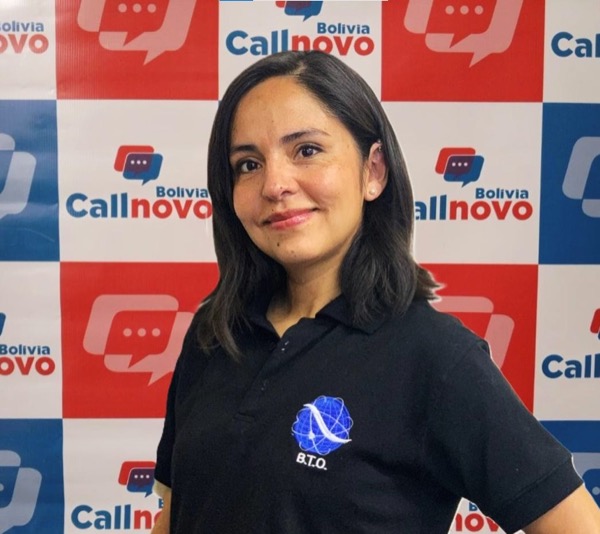
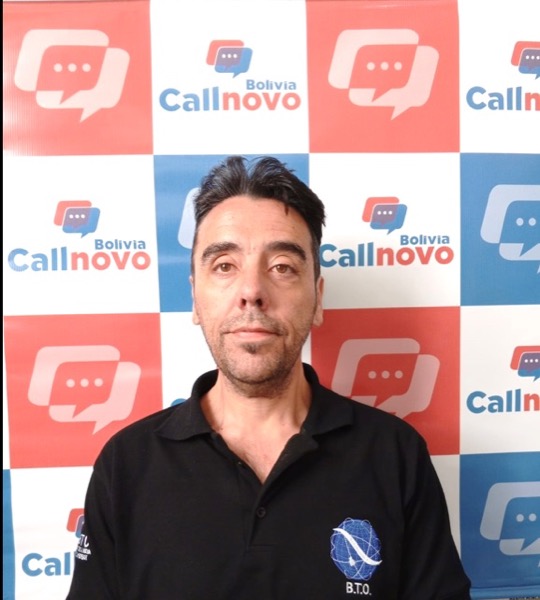
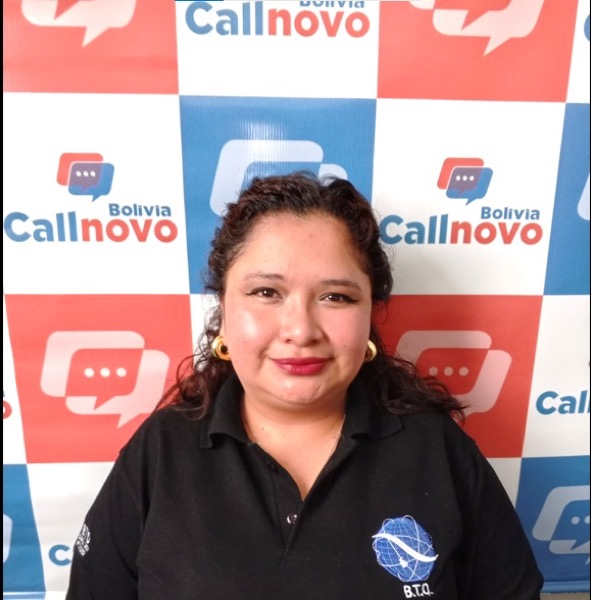
Faces, not a queue.

Callnovo agentCallnovo agentCallnovo agentCallnovo agentCallnovo agent real members of the global team

Support for Non-Emergency Lines

  • Non-emergency reports taken so dispatchers stay free, with anything urgent passed to a person immediately
  • Community alert management and multilingual notification systems
  • Post-incident follow-up coordination with fire, EMS, and police

65+ Languages

  • Native-speaking agents in English, Spanish, Mandarin, and 60+ more
  • Real-time AI translation for rare language pairs
  • Cultural context training for every market we serve

Follow-the-Sun Coverage

  • Operation centres in Canada, Bolivia, Nicaragua, the Philippines and China
  • Smooth handoff between time zones with shared context
  • Holiday and weekend coverage without overtime costs

what it costs

Published rates, so you can do the arithmetic first.

Most vendors in this category quote by form. These are our published packages — not a quote, since language mix, hours and volume all move the number. The per-minute figures are simply the monthly price divided by the included minutes.

OptionPublished pricePer minuteWhat it's for
AI voice US$0.15 per minute Non-urgent overflow — status checks and scheduling that would otherwise sit in the same queue as a real emergency
Web chat US$0.15 per session Web chat enquiries during the day, where the question is usually "do you cover my area"
Live shared team from US$300 / month includes 500 min → ≈ US$0.60/min After-hours and weekend cover with real people, at a cost that does not require a night shift on payroll
Live shared team from US$650 / month includes 1,500 min → ≈ US$0.43/min Sustained high volume during a regional event, when the phone does not stop for two days
Dedicated agent from US$5.80 per hour, per agent A dedicated agent who knows your escalation tree, your on-call rota and what counts as urgent in your business

Anything involving a person is a starting price. Two things move it: which languages you need, and how senior an agent the work actually requires — a bilingual agent handling refund authority is not the same hire as one taking bookings. AI voice and web chat are flat, because there is no hiring in them. And every model above is open to every business on this page: which one fits is a question about the shape of your volume, not about your industry.

Minimum engagement is half a seat — not a five-seat block. We also bill per resolved issue, from US$1, where you pay nothing if it is not resolved; that model fits businesses where a customer problem actually gets solved on the call, not businesses where the call is intake.

who takes which call

Route by the cost of getting it wrong.

Most vendors sell you either an AI receptionist or a live answering service and leave the allocation to you. Since we run both, here is the split we would actually recommend — including the calls we think should never touch automation.

The callRoute toCost of getting it wrong
Anything the caller describes as an emergency Live agent High, and uncapped. This is the one call that must never be judged by software.
Water, gas, fire, electrical or injury mentioned Live agent High. Immediate escalation by your rules, not ours.
"Is the technician still coming?" AI Low. A status lookup, and it clears the line for real calls.
Scheduling a non-urgent visit AI Low. There is a right answer and it is in your calendar.
Invoice and insurance paperwork questions AI, escalating on dispute Low, until money is disputed.
Regional event — volume ten times normal Live agent High. Triage order is the product during a surge.

setup

Five days to put the right person on it.

Five days is our normal window to staff a live account — that is five days to find and place an agent who fits your business, not five days of software setup. AI voice can go live sooner because there is no hiring step.

your existing software

It goes into your system, with a record of who said what.

We work inside the CRM, practice system or case tool you already run, rather than handing you a second inbox to check. Every contact leaves a timestamped record — who called, what was asked, what was said back, what was promised — because in your line of work the question six months later is not "did someone call" but "what exactly did we tell them". Tell us what you run and we will say straight whether we connect to it today.

questions

What buyers ask before they sign.

How much does it cost?

AI voice is US$0.15 per minute and web chat is US$0.15 per session. Live agents start at US$300 per month including 500 minutes — about US$0.60 per minute — or from US$5.80 per hour for a dedicated agent working only your account. The minimum engagement is half a seat, not a five-seat block.

How fast can you start answering our phones?

Five days is our normal window to staff a live account — that is five days to find and place an agent who fits your business, not five days of software setup. AI voice can go live sooner because there is no hiring step.

Do you answer in Spanish?

Yes, on the same number, with agents in our Bolivia and Nicaragua operation centres — native Spanish, not machine translation. English and Spanish share one queue, and we cover 60+ more languages if you need them.

Can I mix AI and live agents on one number?

That is the normal setup. You decide which call types go to AI and which reach a person, and you can change the split as your volume changes. Nothing about that decision is locked in at signup.

How fast does a real emergency reach our on-call person?

Immediately, by whatever route you tell us to use — phone, SMS, or a push into the system you already run, with a timestamped record of who was contacted and when. We build the escalation tree with you before go-live: what counts as urgent in your business, who is first, who is second, and what happens if neither answers. That tree is the deliverable, more than the answering itself.

Should we put AI anywhere near an emergency line?

Not on the emergency path. We will put AI on the overflow — status checks, scheduling, invoice questions — precisely so those calls stop sitting in the same queue as someone with water coming through a ceiling. That is the honest use of automation here: it protects the urgent queue rather than competing with it. Anything a caller frames as an emergency goes to a person, every time, no matter how routine it turns out to be.

compliance

Workflow Controls

  • HIPAA-compliant procedures for medical incident data
  • Access controls and a timestamped audit trail on every contact
  • Escalation triggers and contacts agreed with you before go-live
  • Language access through native-speaking agents under your procedures

start

Keep every community informed and prepared

See how emergency services organizations deliver multilingual community support