Callnovo
Services
Products
Industries
Case Studies
Pricing
Company

senior care

Senior Care Answering Service for Families, Placement, and Scheduling

Families call when they need a clear next step—not a generic voicemail. Callnovo helps senior-care organizations handle placement questions, tour requests, scheduling, billing inquiries, and after-hours messages while routing clinical, safety, and urgent concerns to the right human contact.

Senior-care calls need a clear boundary between information and care decisions. The team can identify the caller’s role, capture the requested service, and make the next action visible to the family and organization. It cannot promise a bed, assess a condition or give medical advice. Review published pricing, managed support, or map the workflow.

Elderly woman and caregiver in conversation inside a room in Karviná, Česko.

how it plays out

Real contacts, minute by minute.

Phone English

“What type of care might be right for my parent?”

Placement inquiries require empathy, fact capture and qualified follow-up.

  1. Identify caller, relationship, callback and requested support
  2. Capture location, timing, budget range, care questions and tour preference
  3. Share approved service and availability information only
  4. Schedule or warm-transfer a placement counselor
Placement inquiry qualified next owner assigned
Web Chat Mandarin

“Can we schedule a tour and speak with someone about costs?”

Families need the tour, pricing context and callback owner separated clearly.

  1. Confirm community, preferred date and family contact
  2. Explain available information and billing questions needing staff
  3. Book the tour or callback without promising unconfirmed availability
  4. Write requested topics and privacy preferences into the handoff
Tour or callback scheduled family has a next step
Phone Spanish

“My father fell — who should I contact now?”

Safety concerns must follow the customer-approved urgent escalation path.

  1. Confirm identity and caller relationship where permitted
  2. Recognize the urgent category without assessing or treating
  3. Use the approved on-duty, emergency or welfare-check escalation
  4. Record recipient, time and handoff status
Urgent handoff started escalation documented

the team behind it

Faces, not a queue.

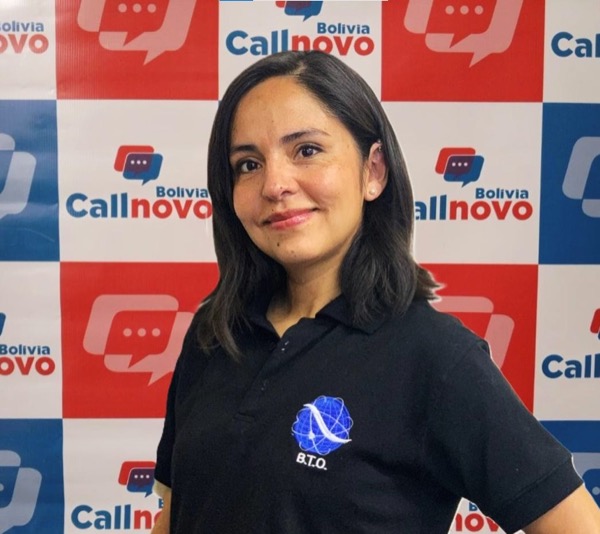
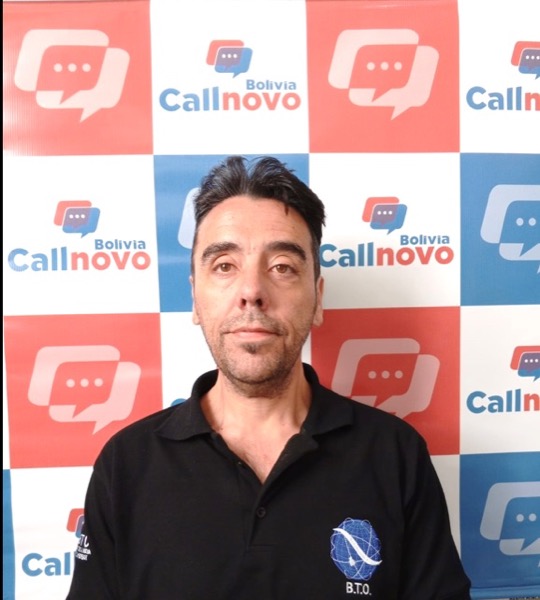
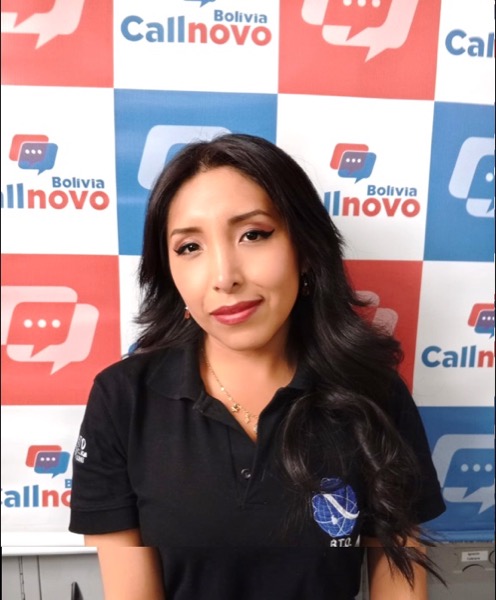
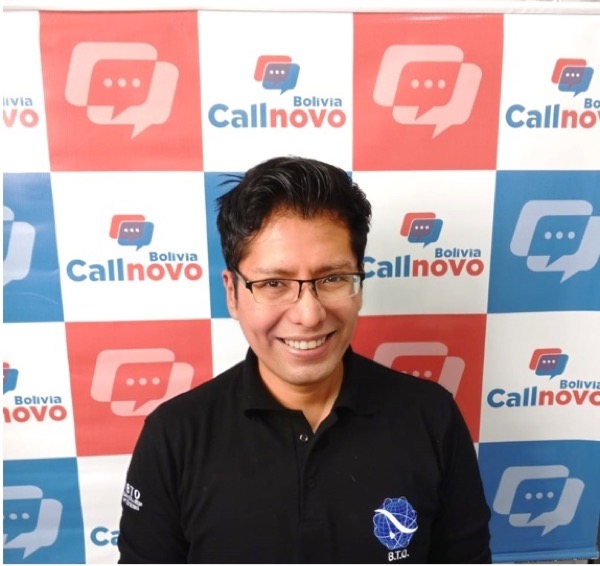
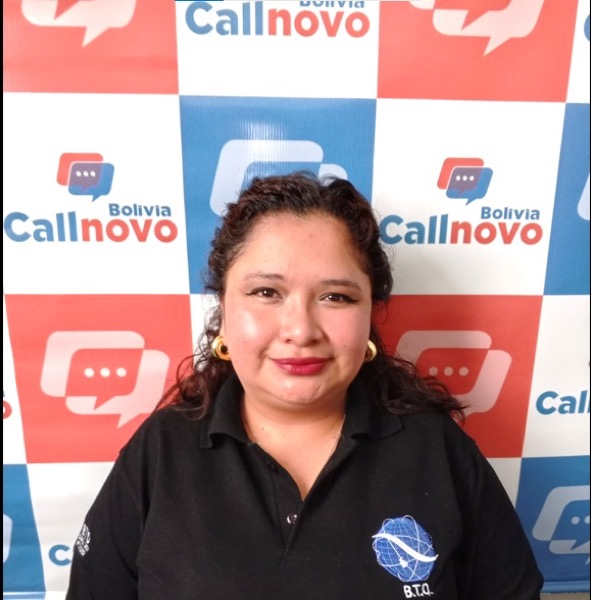
Callnovo agentCallnovo agentCallnovo agentCallnovo agentCallnovo agent real members of the global team

Human Escalation for Care Decisions

  • Empathetic family communication without placement or outcome promises
  • Routing for placement, scheduling, billing, authorized contacts and on-duty staff
  • A client-approved escalation matrix for health, safety, medication and emergency concerns

65+ Languages

  • Native-speaking agents in English, Spanish, Mandarin, and 60+ more
  • Real-time AI translation for rare language pairs
  • Cultural context training for every market we serve

Follow-the-Sun Coverage

  • Operation centres in Canada, Bolivia, Nicaragua, the Philippines and China
  • Smooth handoff between time zones with shared context
  • Holiday and weekend coverage without overtime costs

the part nobody prices in

Reassurance comes from knowing who owns the next step.

A family member may be comparing options, arranging a tour or reporting a safety concern. Those are different queues even when they arrive through the same number.

Record the relationship, callback preference, privacy boundary, requested decision and urgency, then show the family what happens next.

where AI should not be

The calls we will not put a bot on.

Medical or fall question

Do not diagnose or recommend treatment. Follow the urgent escalation matrix.

Placement or availability promise

Do not promise a bed, admission, price exception or care outcome without an authorized owner.

Privacy uncertainty

Route to the authorized team instead of disclosing resident information.

what comes off the call

What the senior-care team should capture

The checklist should help an authorized staff member act without asking the family to repeat a difficult story.

  • Caller name, relationship, callback preference and privacy restrictions
  • Resident or prospective client identity and location when permitted
  • Care type, timing, location, budget range, tour request and placement questions
  • Scheduling, billing, transportation or family-communication request
  • Urgency category, time received, escalation destination and handoff status

Collect only what the client workflow permits. Health, medication, abuse, safety and emergency information follows approved escalation rules.

what it costs

Published rates, so you can do the arithmetic first.

Most vendors in this category quote by form. These are our published packages — not a quote, since language mix, hours and volume all move the number. The per-minute figures are simply the monthly price divided by the included minutes.

OptionPublished pricePer minuteWhat it's for
Dedicated agent from US$5.80 per hour, per agent A dedicated team with client-specific privacy and escalation rules
AI voice US$0.15 per minute Routine hours, location, service and scheduling questions
Web chat US$0.15 per session Tour requests and placement intake with documented callbacks
Live shared team from US$300 / month includes 500 min → ≈ US$0.60/min After-hours non-urgent message capture
Live shared team from US$650 / month includes 1,500 min → ≈ US$0.43/min Seasonal or campaign volume needing a reliable first response

Anything involving a person is a starting price. Two things move it: which languages you need, and how senior an agent the work actually requires — a bilingual agent handling refund authority is not the same hire as one taking bookings. AI voice and web chat are flat, because there is no hiring in them. And every model above is open to every business on this page: which one fits is a question about the shape of your volume, not about your industry.

Minimum engagement is half a seat — not a five-seat block. We also bill per resolved issue, from US$1, where you pay nothing if it is not resolved; that model fits businesses where a customer problem actually gets solved on the call, not businesses where the call is intake.

who takes which call

Route by the cost of getting it wrong.

Most vendors sell you either an AI receptionist or a live answering service and leave the allocation to you. Since we run both, here is the split we would actually recommend — including the calls we think should never touch automation.

The callRoute toCost of getting it wrong
Hours, location and approved service information AI Low when content is current.
Tour request or placement intake Live agent Medium: missing context creates repeat calls.
Billing or account-specific question Authorized team High: privacy and financial accuracy matter.
Fall, medication, abuse or safety concern Approved urgent channel High: the team must not assess the situation.
Unverified caller requesting resident information Privacy owner High: incorrect disclosure is the risk.

setup

Five days to put the right person on it.

Five days is our normal window to staff a live account — that is five days to find and place an agent who fits your business, not five days of software setup. AI voice can go live sooner because there is no hiring step.

your existing software

It goes into your system, with a record of who said what.

We work inside the CRM, practice system or case tool you already run, rather than handing you a second inbox to check. Every contact leaves a timestamped record — who called, what was asked, what was said back, what was promised — because in your line of work the question six months later is not "did someone call" but "what exactly did we tell them". Tell us what you run and we will say straight whether we connect to it today.

questions

What buyers ask before they sign.

How much does it cost?

AI voice is US$0.15 per minute and web chat is US$0.15 per session. Live agents start at US$300 per month including 500 minutes — about US$0.60 per minute — or from US$5.80 per hour for a dedicated agent working only your account. The minimum engagement is half a seat, not a five-seat block.

How fast can you start answering our phones?

Five days is our normal window to staff a live account — that is five days to find and place an agent who fits your business, not five days of software setup. AI voice can go live sooner because there is no hiring step.

Do you answer in Spanish?

Yes, on the same number, with agents in our Bolivia and Nicaragua operation centres — native Spanish, not machine translation. English and Spanish share one queue, and we cover 60+ more languages if you need them.

Can I mix AI and live agents on one number?

That is the normal setup. You decide which call types go to AI and which reach a person, and you can change the split as your volume changes. Nothing about that decision is locked in at signup.

Can a senior-care answering service handle calls after hours?

Yes. After-hours calls can be captured, categorized, and routed according to the escalation matrix your organization provides.

Can agents answer questions about care availability or pricing?

They can share approved information and record the family’s requirements. Availability, placement, and final pricing decisions remain with the authorized care team.

compliance

HIPAA & Senior Care Compliance

  • Business Associate Agreement (BAA)
  • State-specific assisted living regulations
  • Resident privacy and PHI protection protocols
  • Annual staff compliance certification

start

Give families the answers they need, day or night

See how senior care communities improve family satisfaction and fill census faster