

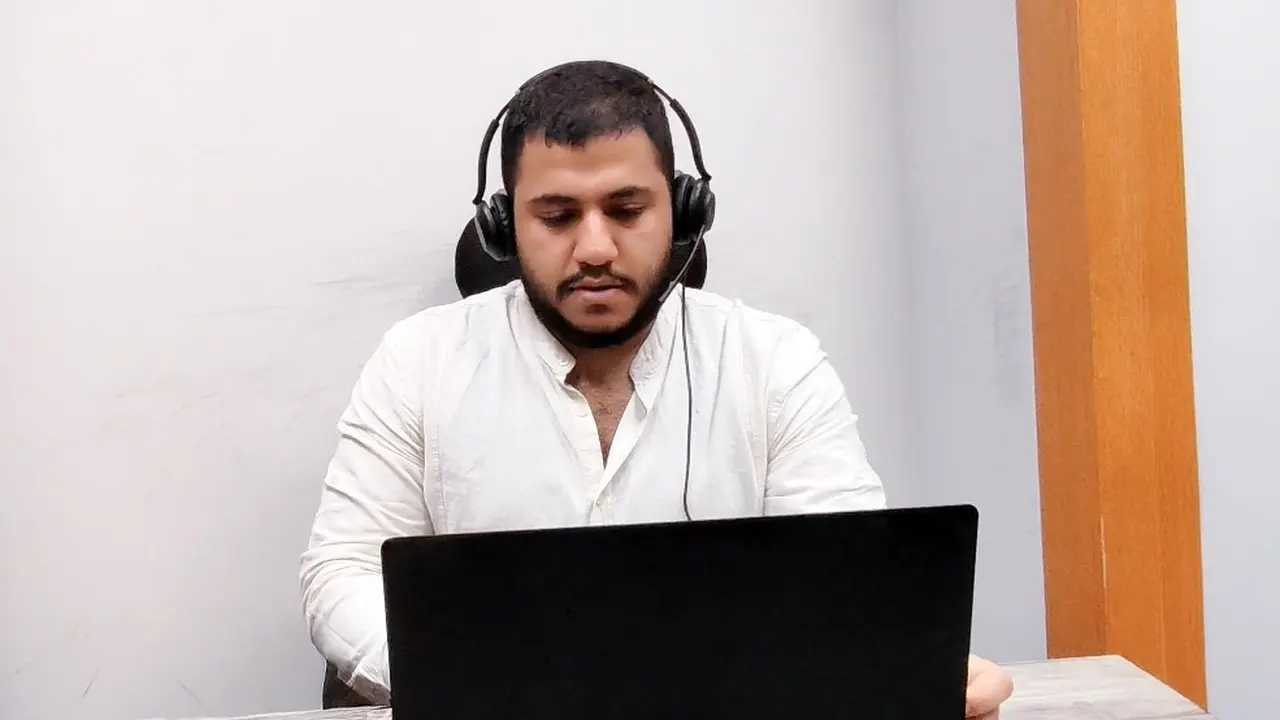
About this case: The client is a medical device manufacturer that sells hospital equipment in more than 120 countries. We haven’t named it.
Key Takeaways
- The manufacturer’s after-sales line went from 5 languages to more than 30, and from office hours to 24/7 customer support.
- Callnovo.ai staffed the account with native-speaking human agents trained on the equipment’s terminology. HeroDash handles local numbers, the IVR, handover between time zones and call review.
- After one year, first response time fell from 48 hours to 15 seconds and first-contact resolution rose from 58% to 87%.
- Every call on the account is now reviewed. Before, a manual sample covered 5%.
It’s 3 a.m. in Berlin. A hospital engineer has a device showing a fault and dials the manufacturer’s service line.
Before 2024, that call reached a voicemail box. The after-sales team worked 9:00 to 18:00 in one time zone and spoke five languages. The engineer would leave a message, and a first reply took about 48 hours.
The equipment sold in 120 countries. Support spoke five languages.
The client came to us in 2024 with two problems that grew with every new market.
The first was language. The equipment was in service in more than 120 countries, and general English didn’t reach many of the people calling. Device vocabulary made it worse. A part name translated loosely can send troubleshooting in the wrong direction.
The second was time. A customer in Germany needed help in the afternoon, when the support team’s day was over. A customer in Brazil called in the morning, near the end of the team’s shift. Anyone calling outside those hours could only leave a message.
There was also a record-keeping problem. Several of the client’s markets expect a complete record of each after-sales contact. The client reviewed calls by hand and reached fewer than 5% of them.
What we changed to build multilingual customer support
Native-speaking human agents in 30+ languages
Callnovo.ai built a team for the account that covers more than 30 languages, including German, French, Portuguese, Arabic, Turkish and Thai. Every human agent is a native speaker and was trained on the equipment’s terminology before taking calls.A local service number in each market
Each target market got its own local number, for example in Germany, France, Brazil and Indonesia. Customers dial a number that looks like a domestic service line.Three steps before a person answers
The caller says what they need in their own words and the system sorts the request. The caller enters the device serial number and the system pulls up the model, warranty status and service history. The call is then routed by device type, language and urgency.Handover between time zones
When the team in one time zone finishes its shift, calls go to the team that is on shift somewhere else. The caller still dials the local number.Every call transcribed and checked
Calls are transcribed. Each one is checked automatically for whether the device details were recorded, whether the process was followed, whether anything risky was said, and how the customer sounded. Reviewers go through the calls that were flagged.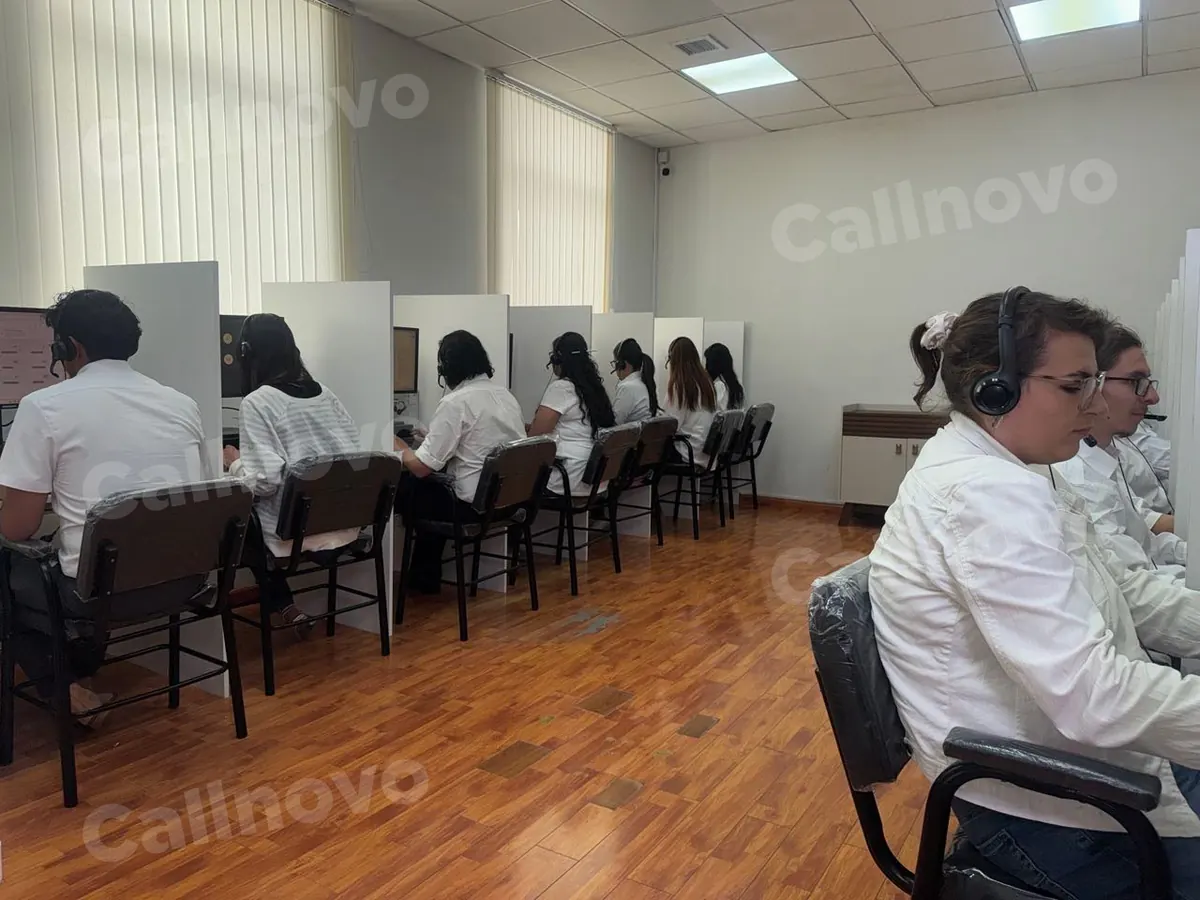
The local numbers, the IVR, the handover rules and the call review all run on HeroDash, our support platform. The device model, serial number, warranty status and fault code are custom fields that travel with the call from the IVR to the ticket to the review.
One call, start to finish
Take the Berlin call again, after the change.
The engineer dials the German number. The IVR asks what the call is about, and the engineer says the device is showing a fault. The IVR asks for the serial number. The system finds the device, its warranty status and its last service visit.
It’s the middle of the night in Europe, so the call goes to a team in a time zone where the morning shift has started. A German-speaking human agent picks up with the device record already open. The engineer doesn’t repeat the serial number and doesn’t switch to English.
After the call, the transcript is checked. If the fault code wasn’t logged, the call is flagged for a reviewer.
Results after one year
Medical device manufacturer: before and after one year
The two first-response figures measure different situations. Forty-eight hours is how long a caller waited for a reply to a message left outside office hours. Fifteen seconds is how long a call waits before a human agent answers now that every hour is staffed.
The client’s cost per service contact fell by about two-thirds over the same year.
After-sales service used to be a cost center. Now it's part of how we compete. Customers know that whenever and wherever they call, they'll get professional support right away.
The client, medical device manufacturer, after one year with Callnovo.ai
When this setup is more than you need
A multilingual call center with thirty languages, a local number in every market and a three-step IVR makes sense when equipment is in service across dozens of countries and a slow answer keeps a device out of use.
If you sell into two or three markets, a small bilingual team and a shared inbox will cover it. If your call volume is a few calls a day, an IVR adds a step without saving anyone time. And if most of your contacts come through distributors who handle first-line support themselves, start with what the distributors need from you.
Three questions to ask before you outsource device after-sales support
- In which of your markets does a customer currently have to describe a fault in a second language?
- When a customer calls at 3 a.m. their time, does a person answer, and does that person speak their language?
- What share of your service calls does anyone review, and what is each one checked for?
Callnovo.ai staffed this account through its multilingual support teams. Local numbers come from Global DID, and automated call review is part of HeroScore. We compared ways to review calls in our guide to AI quality assurance software.
Sources
- Callnovo, medical device after-sales case (WeChat, in Chinese), 2026
Performance metrics reflect results from a Callnovo.ai partnership. Client identity withheld. Human agents on this account handle equipment after-sales requests and do not give clinical advice.