Privacy note: To protect client confidentiality, identifying details have been removed.
Key Takeaways
- A 20% complaint rate can put a German seller account under real pressure.
- For dashcam sellers, fast replies do not matter if the answer does not solve the installation problem.
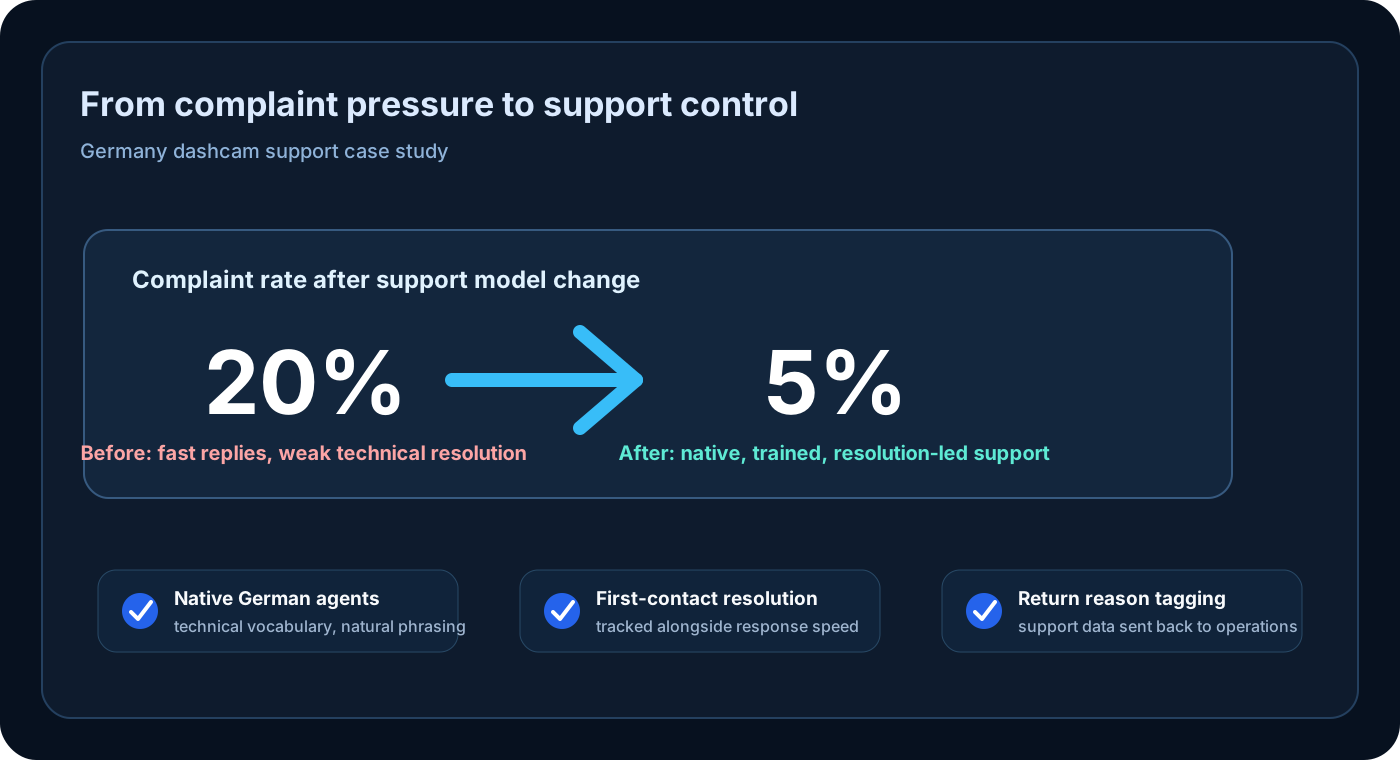
- Native German technical support, first-contact resolution tracking, and return reason tagging helped complaints drop from 20% to 5%.
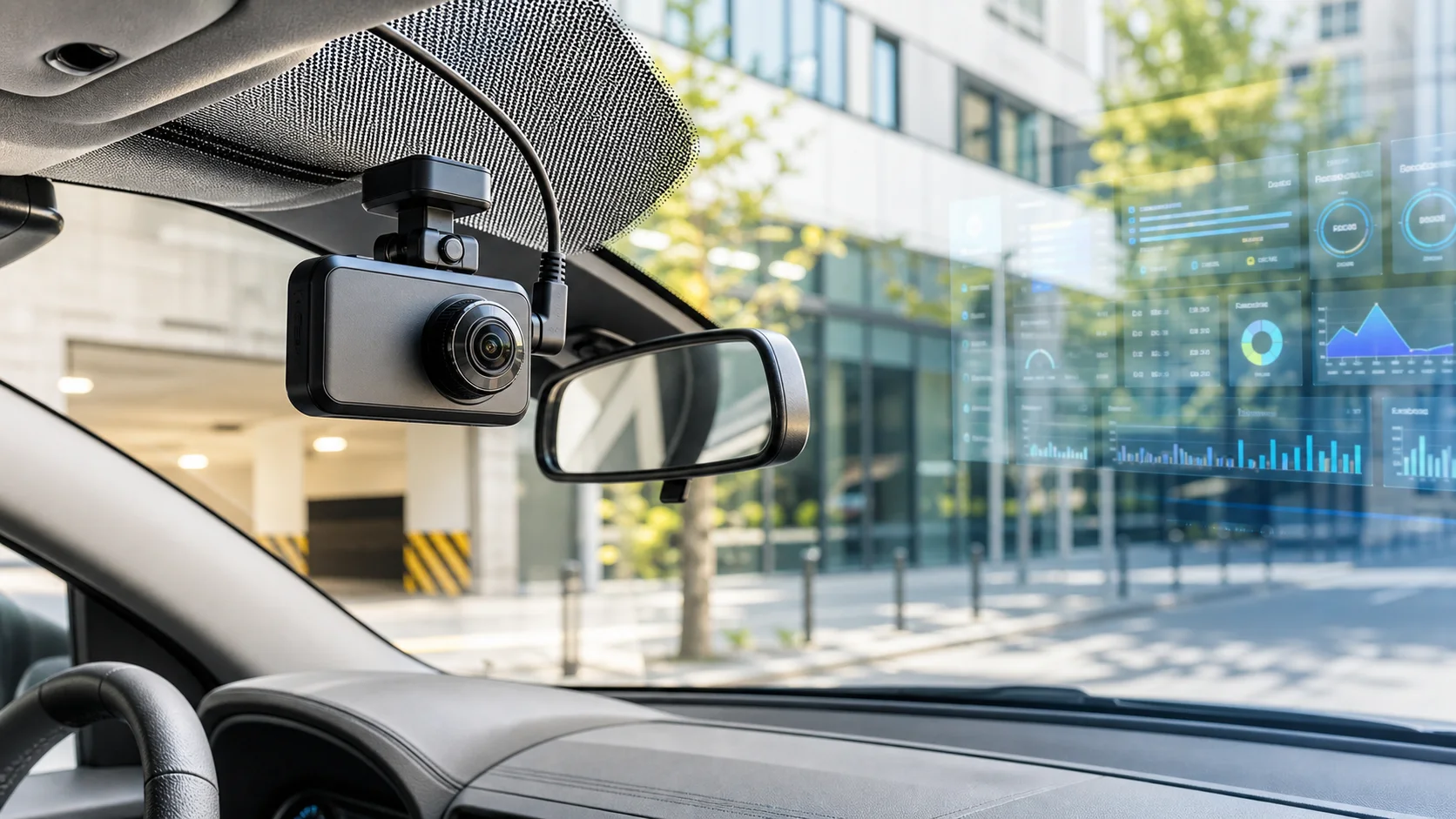
The product was not broken. The support system was.
A 20% complaint rate can put a seller account in Germany under real pressure. One dashcam brand learned that fast. The product was not broken. The price was competitive. The market opportunity was real. But one month after launching in Germany, complaints were piling up. Two previous German-language customer service providers had already tried to turn the situation around and failed. The problem was not that customers could not reach support. The problem was that support could not explain the product clearly enough.
Germany is one of the strongest dashcam markets in Europe. It is also one of the least forgiving. German consumers buying dashcams are rarely impulse buyers. They compare specs, read installation notes, study parking mode requirements, and expect precise answers when something does not work.
For cross-border dashcam brands selling on Amazon Germany or other German ecommerce platforms, this creates a specific kind of pressure. A good product is not enough if the after-sales support experience falls short in language quality, technical depth, and resolution discipline.
Germany dashcam support turnaround
The real problem: complex hardware, inadequate explanation
Dashcams are not simple products. A buyer does not just unbox the device and plug it in. They need to mount it correctly, route cables without blocking visibility, configure loop recording, understand parking mode power requirements, and troubleshoot issues such as GPS logging, night footage, memory card errors, or hardwire kit behavior.
These are not edge cases. They are the standard questions that come in after every dashcam purchase. The previous German-language support providers were adequate for basic customer service. They could handle returns, process complaints, and communicate politely in German. What they could not do was explain a dashcam installation to a buyer standing in a parking garage with a mount in one hand and a manual in the other.
When buyers asked specific installation questions, they received generic answers. When they described error messages, they received instructions that did not match what they were seeing. When they asked about compatibility with their car model, they received responses that sounded technically correct but did not help them take the next step.
German consumers do not respond well to vague technical support. In the German ecommerce market, an unhelpful support answer is not only a frustration. It can become a return, a negative review, and a complaint to the platform.
Why fast and good are not the same thing
There is a common assumption in ecommerce customer service outsourcing: response speed is the metric that matters most. Reply quickly, keep response time low, and the rest will follow. In the German market, that assumption breaks down quickly.
German buyers care about speed, but only when the answer actually solves the problem. For dashcam support, that means tracking response time and first-contact resolution together: customers should not wait too long, and the first reply should move the installation, compatibility, or troubleshooting issue forward.
Once resolution quality became part of the scoreboard, support stopped optimizing for fast but vague replies and started focusing on outcomes customers could use.
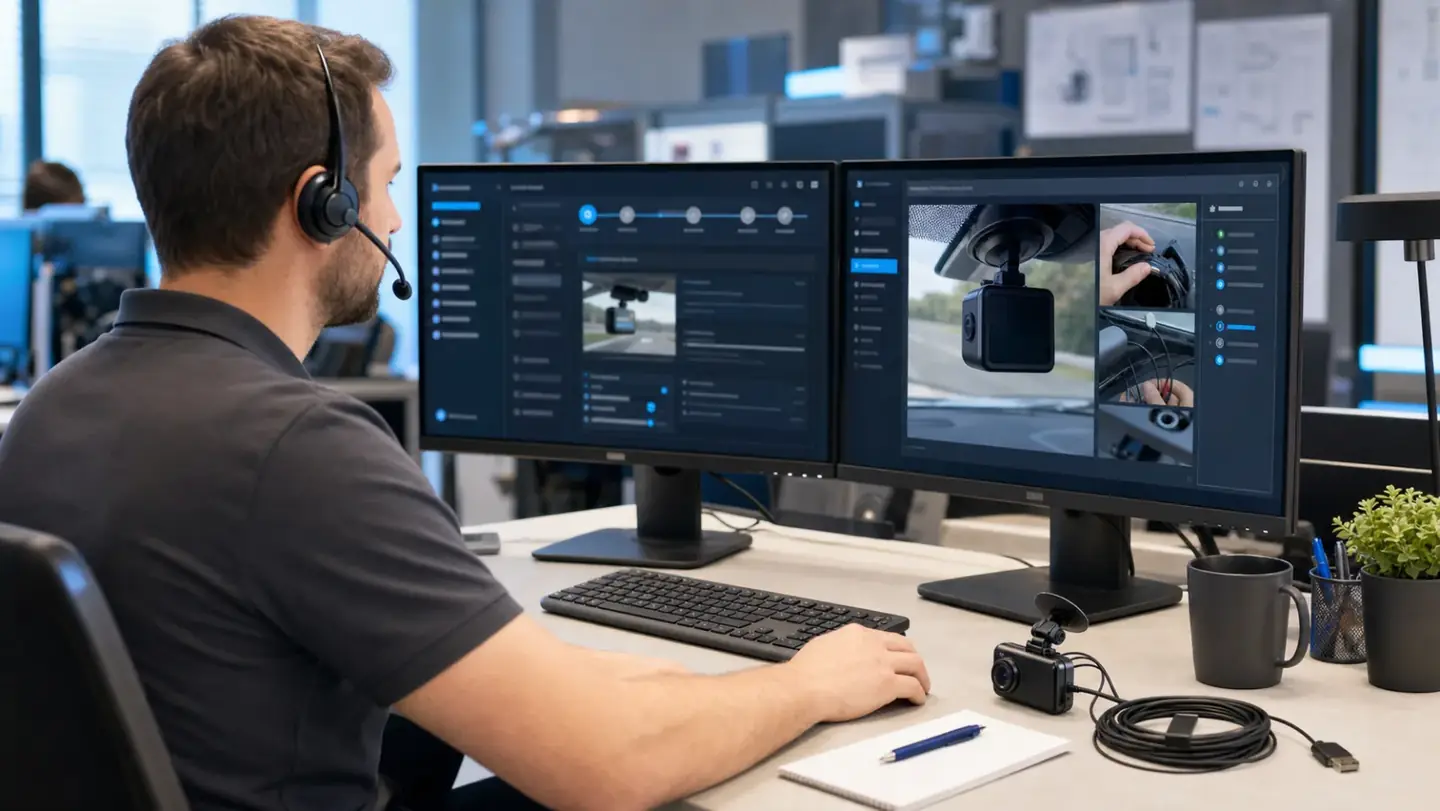
What actually changed
When Callnovo took over German-language customer support for the brand, three things changed at the same time. None were complicated. All required commitment.
Native German agents trained on the product
Every agent handling the account was a native German speaker and received product-specific training before taking customer contacts. The training covered installation procedures, common error scenarios, compatibility questions, parking mode configurations, cable routing, and the failure modes buyers were most likely to encounter. That changed the tone and usefulness of support immediately. When a German driver described a dashcam issue using natural technical vocabulary, the agent understood what the customer meant. The response was specific and directly useful, not a translation of a generic troubleshooting script.
A dual framework for speed and resolution
Response time and first-contact resolution were tracked together. This prevented the “fast but useless” failure mode that had hurt the previous support setup. Using HeroDash, supervisors could monitor customer conversations, identify where a quick response had failed to solve the issue, and coach agents against actual cases. HeroDash helped identify recurring support failures before complaint spikes became visible at the platform level.
For a technical product, that early signal matters. If customers repeatedly ask about the same parking mode issue, cable routing confusion, or GPS behavior, the support operation should detect the pattern before the platform rating starts to move.
Return reasons became product intelligence
Every complaint and return was tagged with a specific cause:
- confusing installation instructions;
- accessory quality concerns;
- feature misunderstanding;
- compatibility questions;
- parking mode and power setup issues.
These tags were compiled into regular reports for the brand’s operations team. Over time, the data showed which problems were driving the most returns. The brand could then improve its FAQ, update product listings, refine packaging, and prepare better installation guidance.
The result: complaints from 20% to 5%
After the new support setup went live, the complaint rate dropped from 20% to 5%. That is not a small improvement. At 20%, one in five customers was filing a complaint, enough to threaten marketplace visibility, seller reputation, and review recovery. At 5%, complaints were back within a more manageable range for a technical product category.
The product did not change. The price did not change. What changed was the support experience: trained native German agents could explain the product clearly enough for buyers to finish installation, resolve compatibility questions, and avoid unnecessary returns.
What dashcam sellers in Germany should take from this
If you sell dashcams, car electronics, smart hardware, or other technical products in Germany, do not wait for your complaint rate to tell you something is wrong.
Ask these questions before launch:
- Are your German-language support agents native speakers? Working proficiency is not the same as native fluency when a buyer is describing a technical problem in the words they naturally use.
- Have agents been trained on the product itself? Reading the manual is not enough. Agents need to understand installation flow, common errors, and the questions buyers actually ask.
- Are you tracking first-contact resolution separately from response time? If you measure only speed, you may miss the metric that predicts complaints.
- Is return data feeding back to product and operations teams? Returns are product intelligence. If the data stays inside the support queue, the business learns too slowly.
- Can your support team scale during peak periods? Q4, German retail campaigns, and product launches can create volume spikes that hurt quality if the team is not prepared.
German buyers are demanding. They can also become loyal when a brand earns their trust. A dashcam with genuinely useful, technically competent, native-language support is a different product in Germany than one without it, even if the hardware is identical.
Selling technical hardware in Germany?
If your German complaint rate is rising, your support setup may be the problem, not the product.
Callnovo’s German-language customer support operations, HeroDash performance tracking, and QA-led support management help technical hardware brands explain complex products, resolve issues faster, and turn return reasons into actionable market feedback.
Talk to our team about what this could look like for your product, channel, and German market goals.