Privacy note: To protect customer confidentiality, identifying details have been removed.
Key Takeaways
- A major internet company needed 150 game support agents live across Southeast Asia in only 25 days.
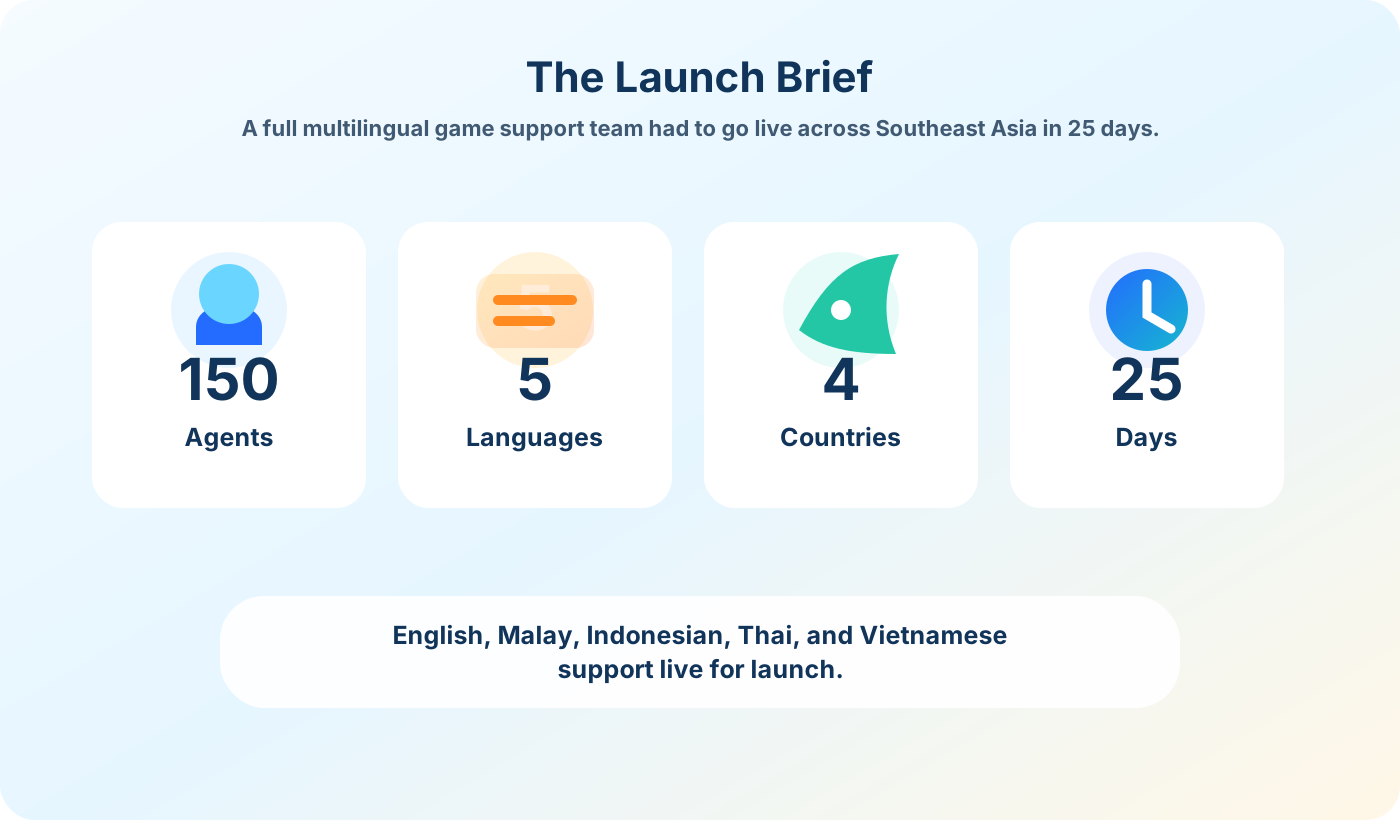
- The team covered English, Malay, Indonesian, Thai, and Vietnamese across Malaysia, Indonesia, Thailand, and Vietnam.
- Callnovo made the timeline possible through existing local service centers, native-language hiring, game-specific training, and flexible staffing for the game lifecycle.

The brief that made most vendors nervous
The client was a major internet company preparing a high-profile RPG launch across Southeast Asia, with Malaysia, Indonesia, Thailand, and Vietnam going live at the same time.
The support requirement was clear: 150 agents covering English, Malay, Indonesian, Thai, and Vietnamese, all ready within the game’s launch window.
Twenty-five days from kickoff to fully operational.
This was not the kind of timeline that allows for the usual approach: post job openings, screen applicants over several weeks, run training, identify the people who do not make the cut, replace them, and run training again. At 150 agents across four countries and five languages, that process normally takes months.
The client knew this. What they needed was not a vendor who would start the standard process and hope. They needed a partner with enough existing presence in each market — and the right multilingual support footprint — to move at a different speed entirely.
Why game support is harder than standard ecommerce support
Before getting into how the team was built, it is worth being specific about what made this requirement genuinely difficult. “Multilingual customer service” covers a wide range of complexity levels, and game support sits near the top.
Players do not contact support because something straightforward went wrong. They contact support because an in-game purchase did not register, because a bug caused them to lose progress they spent weeks accumulating, because they were banned and believe it was a mistake, because they cannot understand a mechanic the tutorial did not explain clearly, or because a limited-time event item did not appear in their inventory after they qualified for it.
These are emotionally charged interactions. Gaming communities are vocal, organized, and fast to amplify bad support experiences on forums and social platforms. A player who feels dismissed or misunderstood by a support agent does not just churn. They tell their guild, their followers, and anyone else who will listen.
The support agent handling these interactions needs more than language fluency and a service script. They need to understand the game. They need to know the difference between a display bug and a server-side issue. They need to understand how the economy of the specific game works, what a “legendary drop” means in context, and why a particular event matters to players who have been waiting for it.
They also need cultural fluency. Players in Malaysia may express frustration differently than players in Vietnam, and the right support tone changes with the market.
This is what the client meant when they specified agents with gaming experience or genuine gaming interest. It was not a checkbox requirement. It was a fundamental quality floor for the interactions these agents needed to handle.
How 150 agents across four countries got ready in 25 days
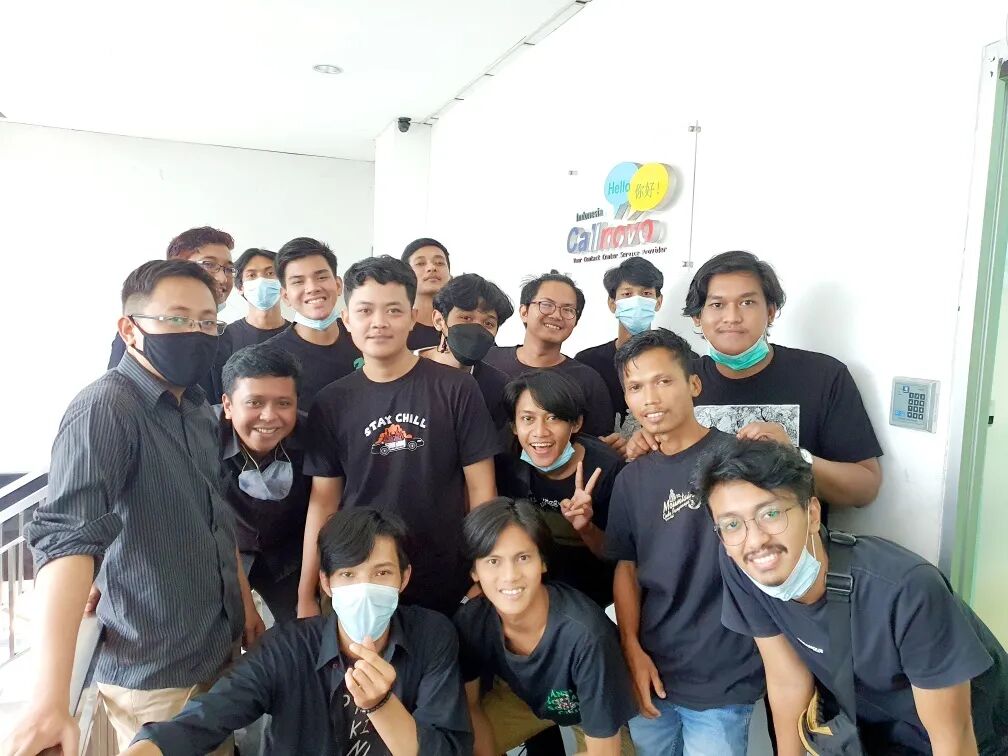
Callnovo operates local service centers in Malaysia, Indonesia, Thailand, and Vietnam. That existing infrastructure is what made the timeline possible. The answer was not process shortcuts. It was having real operating capacity in exactly the markets the client needed.
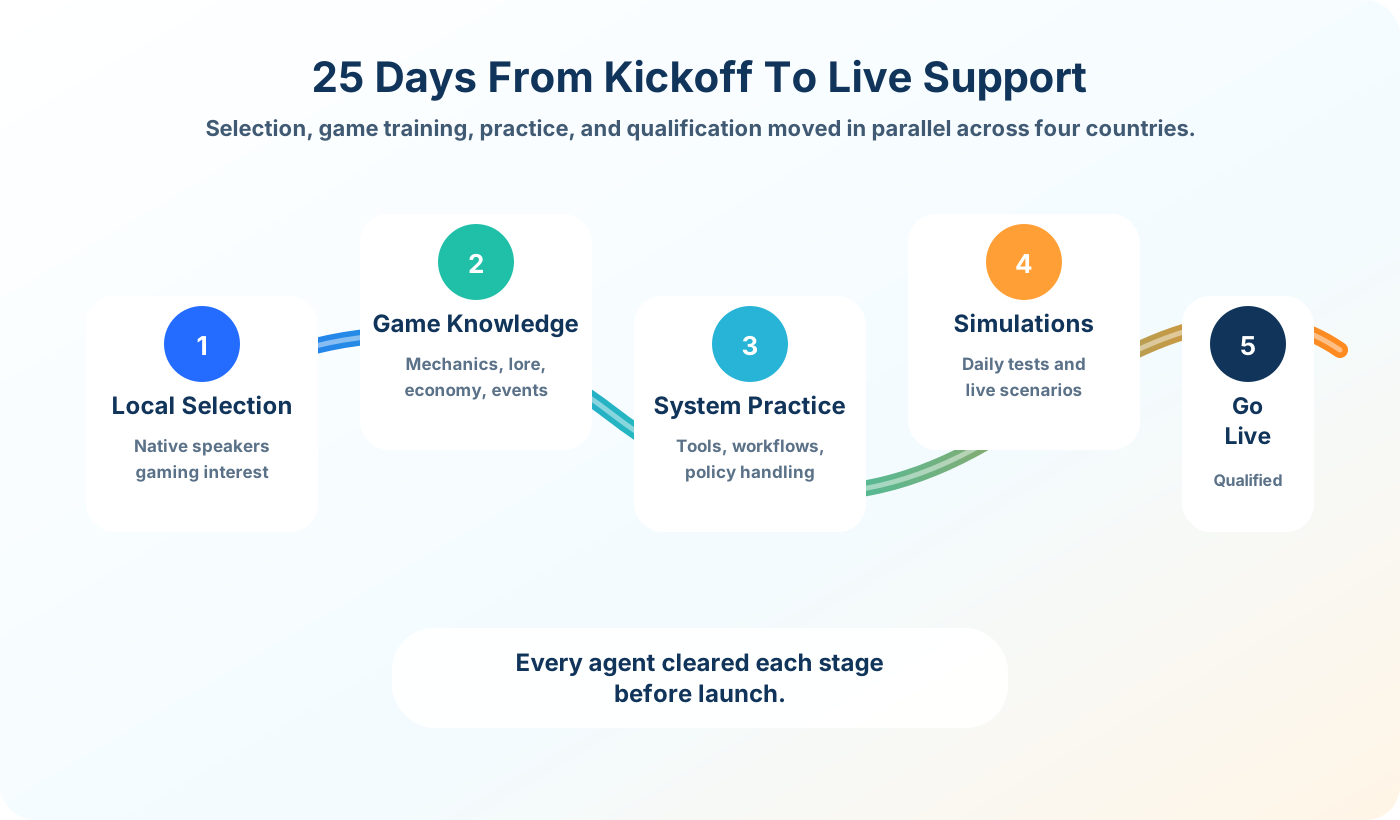
Candidate selection happened simultaneously across all four locations. The criteria were specific: native speakers of the relevant language, accent quality that met the client’s standards, at least two years of customer service experience, and either game support experience or a genuine personal interest in gaming.
That last criterion mattered practically. Agents who play games think differently about player problems than agents who do not, and that difference shows up in interaction quality immediately.
From each local talent pool, Callnovo selected the candidates who met every requirement. The selection process was compressed, but not compromised. Every agent who made it through met the same standard that would have applied on a longer timeline. The difference was that Callnovo already knew where to find these people in each market through its in-country hire-your-team operation, rather than starting from scratch.
Training ran across five stages, delivered through a combination of online instruction and in-game practice. The game’s own team ran the content sessions, walking agents through the mechanics, lore, economy, common player pain points, and the scenarios most likely to generate support contacts at launch.
Alongside game knowledge, agents covered support system operation, contact handling procedures, and soft skills specific to gaming support: how to de-escalate an angry player who just lost a week of progress, how to explain a policy decision in a way that feels fair rather than bureaucratic, and how to handle a contact about a known bug without overpromising on resolution timelines.
Every agent was assessed daily through written tests, simulated interactions, and live practice scenarios, with results tracked on the same quality monitoring framework Callnovo uses for every live program. Any agent who did not meet the day’s benchmark went through additional training before the next session. No one reached final qualification without clearing every stage.
By day 25, 150 agents across Malaysia, Indonesia, Thailand, and Vietnam were qualified, briefed, and live.
What localization actually means in practice
The client’s localization requirements went beyond translation, and this distinction matters for any game company entering Southeast Asia for the first time.
Translation converts words. Localization converts meaning.
A player in Thailand who contacts support during Songkran expects the interaction to feel culturally aware. A player in Malaysia navigating a support issue during Hari Raya is in a different headspace than the same player on an ordinary Tuesday. The way frustration is expressed, the level of formality expected in a support response, and the cultural references that build trust vary by country in ways that a translated script cannot capture.
The local agents Callnovo deployed in each market brought this fluency automatically. It is not something that can be trained into an agent who did not grow up in that culture. It has to be sourced from people who already have it.
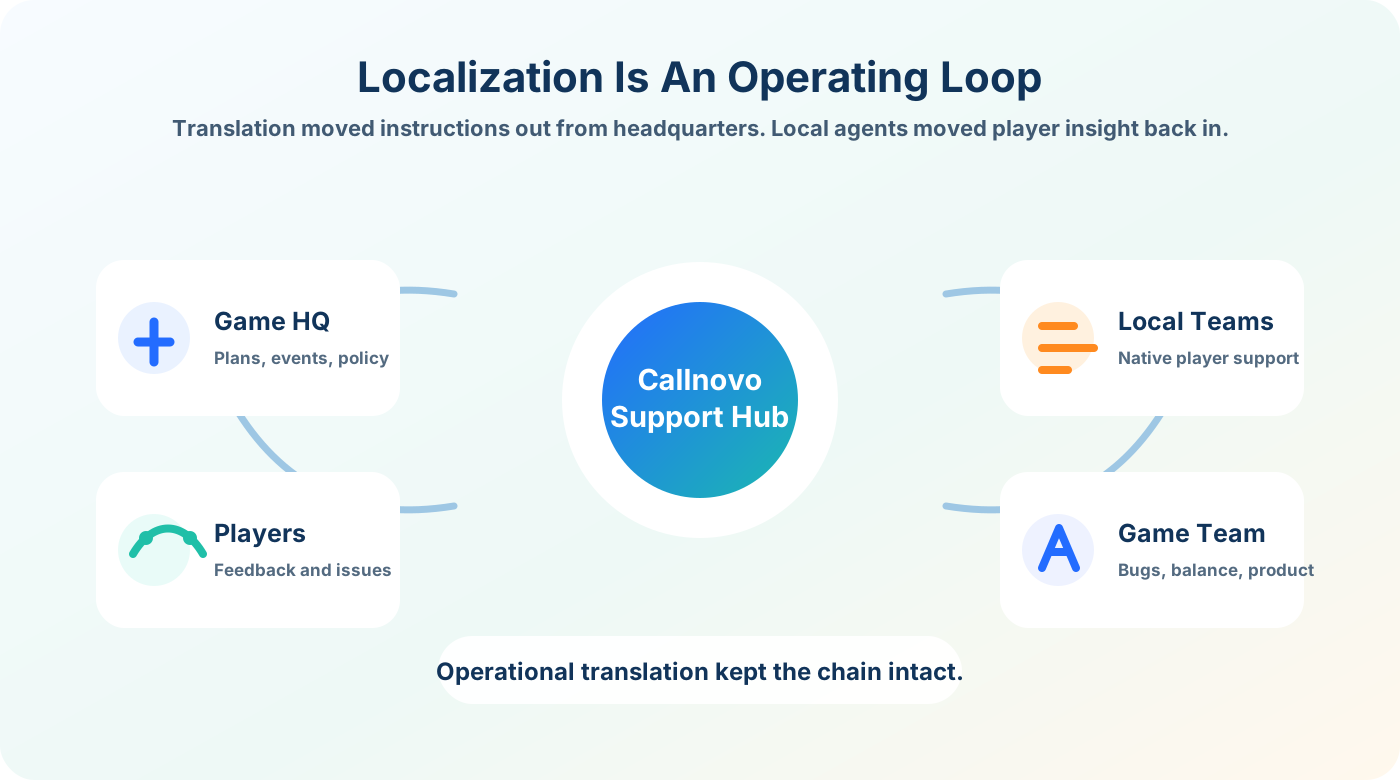
The translation function served a different purpose: bridging communication between the game’s central development and operations team and the local support teams. Callnovo’s bilingual translators converted headquarters operational plans, event announcements, FAQ updates, and policy changes into market-appropriate versions in each language, ensuring that what headquarters intended reached local agents accurately and quickly.
This two-way communication layer is often the thing that breaks down first when headquarters teams try to manage overseas support operations. Headquarters sends an update in its internal working language. The local team receives a translation that is technically accurate but misses the operational nuance. Agents implement something slightly different from what was intended. By the time the discrepancy surfaces, it has already affected players.
Having dedicated translation capacity for operational communication, not just player-facing content, keeps the chain intact. Routing, ticket history, and language-aware handoffs all run on Callnovo’s HeroDash platform, which is what lets a player message in Vietnamese land with the right local agent on the first touch.
Player feedback as a product development tool
Before the game’s official launch, Callnovo ran a structured player recall program during the testing phase, contacting players who had participated in beta testing to collect detailed feedback on their experience.
The feedback collection covered game mechanics, level design, art style, onboarding clarity, replayability, monetization experience, and bug reports. Agents conducted these conversations by phone, online chat, and social media in the player’s native language, in a tone calibrated to feel like a genuine conversation rather than a survey.
The output was actionable. Based on the feedback gathered, the development team identified specific areas for improvement before launch: gaps in the in-game guidance, balance issues in certain levels, bugs that had not surfaced in internal testing, and features that players found compelling versus features that were not landing the way designers intended.
This kind of pre-launch feedback loop is something most game companies know they should do but struggle to execute well in markets where they do not have established local presence. The quality of the feedback depends on whether players trust the person collecting it. Players in Malaysia or Vietnam are more likely to share honest opinions with someone who speaks their language natively and understands the gaming culture they are part of.
Flexible team structure across the game lifecycle
Game support volume does not stay constant. Launch generates a spike: new players, onboarding questions, first-encounter bugs, payment issues from players making their first in-game purchase. As the player base stabilizes, volume decreases. Major content updates and events create secondary spikes. The curve is predictable in shape, even if the specific numbers vary.
A fixed 150-person team that makes sense at launch can be oversized during stable operation periods and potentially undersized during major events. The operational cost of maintaining peak-launch staffing through a stable period is significant, and the rigidity of many outsourcing arrangements makes it difficult to adjust without contract renegotiation.
Callnovo’s structure for this project built flexibility in explicitly. The client can scale headcount up or down based on actual contact volume, expanding for major game events or content releases and reducing during stable periods.
This flexibility directly addresses one of the most consistent pain points for game companies managing overseas support: matching staffing to a demand curve that does not stay flat.
What game companies entering Southeast Asia should know
Southeast Asia is one of the most attractive expansion markets for mobile and PC games: large young populations, high smartphone penetration, strong gaming culture, and growing disposable income across the region. It is also a market that punishes the assumption that what worked in one market will translate directly.
The games that build lasting player bases in Southeast Asia are the ones that feel local to the players who play them. Not just translated. Localized. Not just supported. Supported by people who understand the culture, speak the language natively, and engage with the gaming community as genuine participants rather than distant service representatives.
Building that kind of support operation from scratch, in four countries simultaneously, inside a launch window that does not leave room for a slow ramp, is the problem Callnovo solved for this client in 25 days.
The timeline was aggressive. The quality did not have to suffer for it. It required a partner with the existing infrastructure to move at that speed without cutting corners on the things that determine whether players feel supported. If a similar launch window is in front of your team, talk to us about what the first 25 days could look like.