Key Takeaways
- Callnovo operates behind the scenes across all three layers of the e-commerce ecosystem — sellers, platforms, and logistics companies all outsource customer support to us, often without the end consumer ever knowing.
- The same package can touch Callnovo multiple times — a Shein order delivered by GOFO might involve Callnovo agents at the logistics stage, the seller stage, or both.
- E-commerce customer service isn’t one job — it’s three very different jobs — seller support requires product knowledge, platform support requires policy expertise, and logistics support requires real-time tracking and de-escalation skills.
- The invisible nature of BPO is actually the point — when we do our job right, the customer thinks they’re talking to the brand. That’s the whole idea.
“Do You Know That’s Part of My Job?”
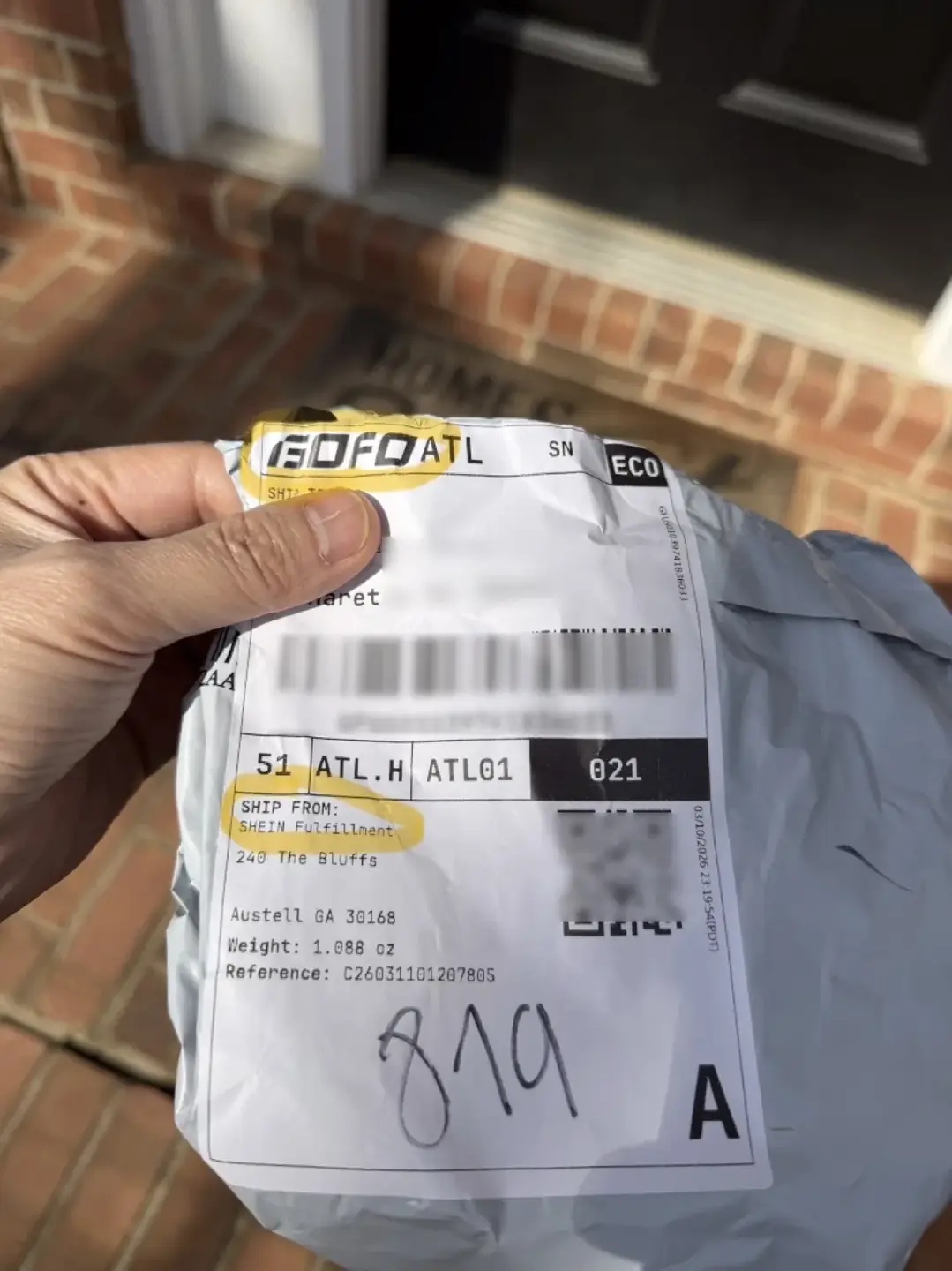
Last week my daughter walked in carrying a package. One of those soft poly mailers with a shipping label covered in barcodes and routing codes.
“What did you buy this from?”
“Shein.”
I looked at the label more closely. The last-mile delivery was handled by GOFO — a logistics company that specializes in cross-border e-commerce shipments. I knew that name. We handle their customer service.
“Do you know that making sure your package arrives is part of my job?”
She gave me the kind of look that only a teenager can give her father when he’s trying to make his work sound interesting. But it stuck with me. Here was my own daughter, ordering something from a fast-fashion platform, getting it delivered by a logistics company whose customer support runs through our contact center — and she had no idea. Nobody does.
That’s the whole point.
The E-Commerce Ecosystem Has Three Layers (and We’re in All of Them)
When you order something online, you interact with a brand. Maybe it’s Shein, maybe it’s a small candle company on Amazon, maybe it’s a DTC skincare brand with a Shopify store. That’s the surface layer — the one you see.
But underneath that, there’s an entire ecosystem keeping the experience together. And in my ten years at Callnovo, I’ve watched us quietly embed ourselves into every layer of it.
E-commerce customer service operates across three distinct layers: seller support (product-specific knowledge), platform support (marketplace operations and policy), and logistics support (delivery tracking and issue resolution). Most consumers never realize that the person helping them may work for a BPO partner — not the brand itself.
Here’s how the e-commerce ecosystem actually works — and where we fit.
Layer 1: The Sellers
This is where most people think of e-commerce customer service. A brand sells a product. A customer has a question, a complaint, or a return. Someone needs to answer.
We work with Amazon sellers, Shopify brands, and companies selling on Walmart, eBay, and their own websites. The support work ranges from pre-sale questions (“will this fit my dog?”) to post-sale issues (“it arrived broken”) to the thing every seller dreads — negative review prevention.
Our Colorday case study is a perfect example. Colorday sells bird baths and carriers on Amazon. Their founder was answering customer messages at midnight. Their part-time agents didn’t know the difference between a Budgie and a Cockatiel. We trained a dedicated team who actually unboxed and assembled every product before handling a single ticket. Response time went from 18+ hours to under 4.
That’s what seller-level support looks like when it’s done right. The customer thinks they’re talking to Colorday. They are — it’s just that Colorday’s support team sits in our contact center.
Layer 2: The Platforms
This is the layer most people don’t think about. The marketplaces themselves — the Sheins, the Temús, the regional e-commerce platforms — they also need customer service teams. And these teams operate very differently from seller support.
Platform-level support — what we call managed customer service — means handling:
- Buyer inquiries — order status, payment issues, account problems
- Seller/merchant support — onboarding, policy questions, dispute mediation
- Trust & safety — fraud detection support, content moderation, compliance escalations
- Cross-border complications — customs delays, currency issues, regional regulations
When a customer contacts Shein about a missing order, they’re not talking to the individual seller who made the dress. They’re talking to platform support. And in many cases, that platform support is staffed by a BPO partner like us.
The scale is different here. Seller support might mean 3-5 agents handling 80 tickets a day. Platform support can mean 50+ agents handling thousands of interactions across multiple languages and time zones. The training is different too — platform agents need to know policies, workflows, and escalation paths across an entire marketplace, not just one product line.
We provide multilingual support in 65+ languages, which is particularly critical for platforms that operate across borders. A customer in São Paulo has a different set of expectations, consumer protection laws, and communication preferences than a customer in Seoul. You can’t serve both with the same English-speaking team and a translation plugin.
Layer 3: The Logistics Companies
This is the layer that brought the whole thing home for me — literally.
When my daughter’s Shein order traveled from a fulfillment warehouse to our front door, it passed through multiple logistics providers. The cross-border freight, the customs clearance, the last-mile delivery — each of these is a separate company, and each of them needs customer-facing support.
GOFO is one of the logistics companies we work with. They specialize in cross-border e-commerce fulfillment — getting packages from Chinese sellers and platforms to doorsteps in the Americas. When a package is delayed, damaged, or marked as delivered but nowhere to be found, someone needs to pick up the phone. That someone works for us — handling calls, chats, and emails through our omnichannel contact center.
Logistics support is its own animal. The conversations are different from seller or platform support:
- “Where is my package?” — the single most common question in all of e-commerce. Agents need real-time access to tracking systems, carrier APIs, and the ability to cross-reference multiple tracking numbers across different carriers in the delivery chain.
- “It says delivered but I never got it.” — this requires investigation, empathy, and often coordination with the local delivery driver or hub. It’s not a scripted interaction.
- “The package arrived damaged.” — who’s responsible? The seller? The warehouse? The carrier? The last-mile driver? Logistics support agents need to understand the chain of custody and know which entity to escalate to.
- Failed delivery attempts — rescheduling, address corrections, hold-at-location requests. These sound simple but involve coordinating across systems that don’t always talk to each other.
What makes logistics support uniquely challenging is the emotional temperature. By the time someone calls about a package problem, they’ve already waited days or weeks. They’re not curious — they’re frustrated. Our agents need de-escalation skills on top of technical tracking knowledge. It’s one of the most demanding support verticals we operate in.
The Same Order, Multiple Touchpoints
Here’s what makes e-commerce support fascinating — and what makes companies like Callnovo valuable: a single order can touch all three layers.
Let’s trace my daughter’s Shein order:
- She browses and buys on Shein (platform layer) — if she had a payment issue or account question, platform support handles it
- The seller fulfills the order (seller layer) — if the product is wrong or defective, seller support handles it
- GOFO ships it cross-border (logistics layer) — if the package is lost, delayed, or damaged in transit, logistics support handles it
Three different support teams. Three different skill sets. Three different systems. But to my daughter, it’s one experience: she tapped “buy,” and a package showed up. If any of those three layers fail, the whole experience fails — and she blames Shein, not the logistics company she’s never heard of.
That’s why the invisible nature of what we do matters. We’re not building a brand that customers recognize. We’re making sure that when customers interact with the brands they do recognize, the experience holds together.
Why E-Commerce Companies Outsource (It’s Not Just Cost)
The obvious answer is cost. Hiring, training, and managing a customer service team is expensive, especially if you need multilingual coverage or 24/7 availability. Outsourcing to a BPO like Callnovo is cheaper than building it in-house.
But cost is actually the least interesting reason. The real reasons are:
Elasticity. E-commerce volume is wildly seasonal. A seller doing 50 orders a day in March might do 500 a day during Black Friday. You can’t hire and fire that fast. We can scale teams up in 48 hours and back down after peak season.
Language coverage. If you’re selling in 12 countries, you need support in 12 languages. Building that in-house means 12 hiring pipelines, 12 sets of labor laws, 12 time zones to manage. Or you can work with one partner who already has agents in those markets.
Platform expertise. Amazon Seller Central. Shopify admin. WooCommerce. Walmart Seller Center. Each platform has its own messaging system, its own metrics, its own penalties for slow response times. Our agents are already trained on these systems through HeroDash, our omnichannel platform that connects directly to seller and platform dashboards.
Focus. A Shopify brand founder should be designing products and running marketing, not answering “where is my order?” at 11 PM. A logistics company should be optimizing delivery routes, not staffing a call center. Outsourcing support isn’t about cutting corners — it’s about letting each company do what it does best. Some clients even prefer a pay-per-resolution model so they only pay for actual outcomes, not idle agent hours.
Next Time You Order Something Online
I think about this differently now. Every time I see a delivery truck, every time I get a notification that a package is on its way, I wonder: is that one of ours?
The e-commerce ecosystem is massive and interconnected. The seller who made the product, the platform that listed it, the logistics company that shipped it — at least one of them, and sometimes all three, relies on an outsourced customer service partner. And increasingly, that partner is us.
My daughter doesn’t care about any of this. She just wants her Shein order to arrive on time and look like the photos. Fair enough. But the next time she has a package issue and picks up the phone, there’s a real chance the person who answers — the person who calms her down, tracks her shipment, and makes it right — works in one of our contact centers.
She’ll never know. That’s the whole point.